For many, perfume is inseparable from Western romance—lavender fields in Provence, sunlit citrus groves in Italy, desire distilled into glass bottles.
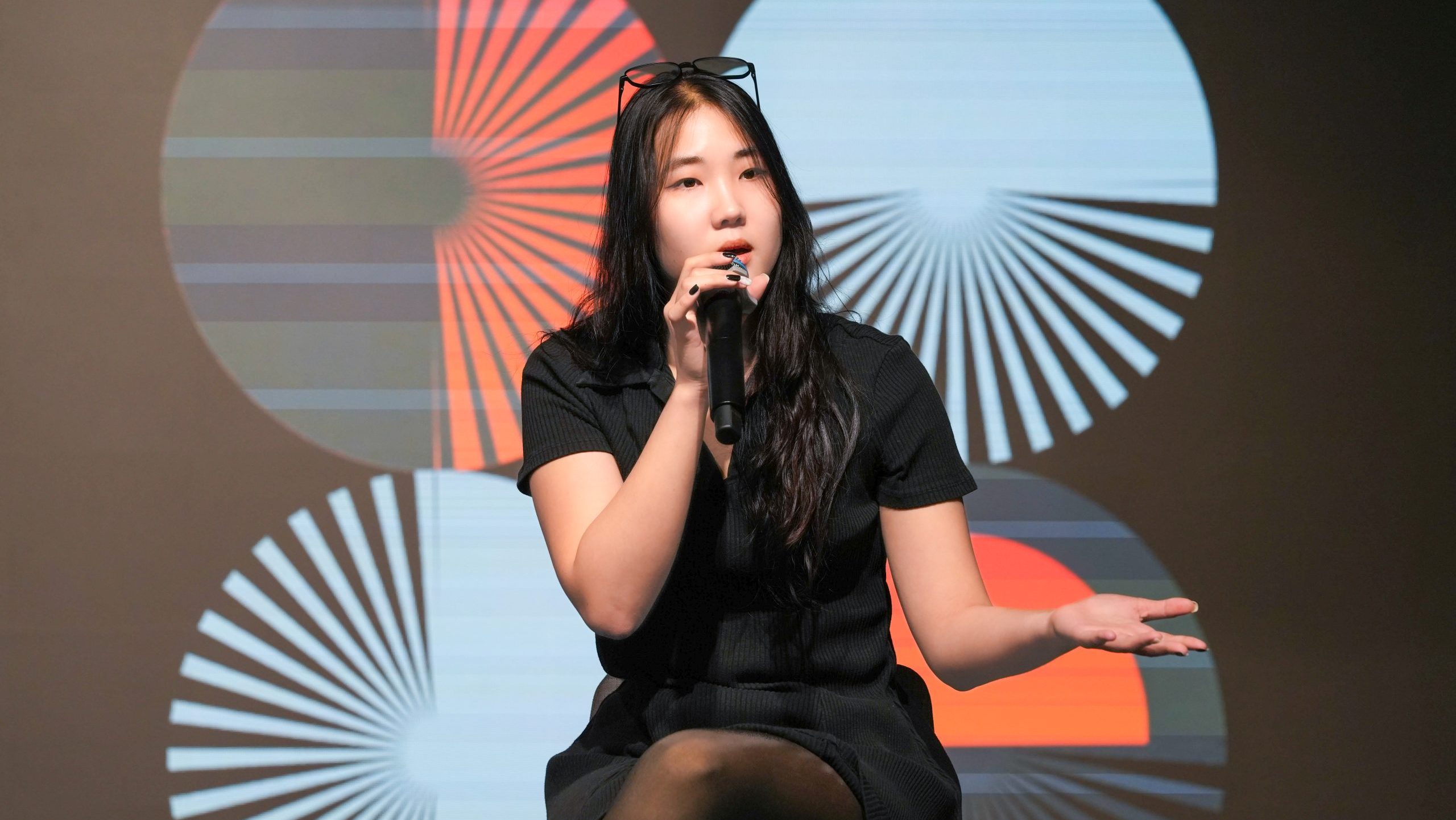
For Ruitong (Lricy) Li, however, perfume belongs to an entirely different world. It is Eastern, unhurried, a quiet dialogue between breath, time, and inner rhythm.
That worldview took shape almost by accident. As a freshman at Duke Kunshan University, driven by curiosity alone, Li joined the campus perfume club and began experimenting with DIY fragrance blending. One day, after she presented her work, a senior chemistry major paused, leaned in, and asked, almost casually, “Have you ever thought about co-founding a real perfume brand?”
The question lingered. In that moment, Lricy realized perfume could be far more than a pleasant smell. It could be cultural expression, emotional care, and storytelling—a medium that connects research, aesthetics, everyday life, and personal belief.
Lricy’s relationship with scent began years earlier, in middle school. “I used to light scented candles while studying,” she recalls. “Scent felt like an invisible metronome. It helped me slow down, calm myself, and think clearly.”
Her first attempt at perfume blending came in high school, after discovering a DIY fragrance shop downtown. Following basic essential oil ratios, she created a scent of her own. She didn’t know it then, but that afternoon quietly set the direction for years to come.
“I started researching on my own, reading everything I could, learning the entire process—from raw materials to finished bottles,” Lricy says. With no formal training, she relied purely on instinct and her sense of smell. Those unstructured experiments, she believes, were the most honest way she could have entered the world of perfumery.
Her first true “signature scent” emerged during her final year of high school: a citrus-woody composition that was light but grounded. It accompanied her through long days of exam preparation and later became the foundation for future iterations. “It was almost like a talisman,” she says. “One spray, and I could calm down instantly.”
Choosing Global Health with a focus on public policy as her university major was a natural extension of her interests. Lricy has long been drawn to questions of mental health and lifestyle. She participated in academic research on the effects of scent on dementia patients and became especially interested in people living with chronic anxiety and emotional strain—those who may not meet clinical thresholds but exist in a constant state of tension.
“Modern life is relentlessly fast,” she says. “We’re always chasing time, but we rarely ask how to live in harmony with it.” That question would eventually become the soul of her brand.
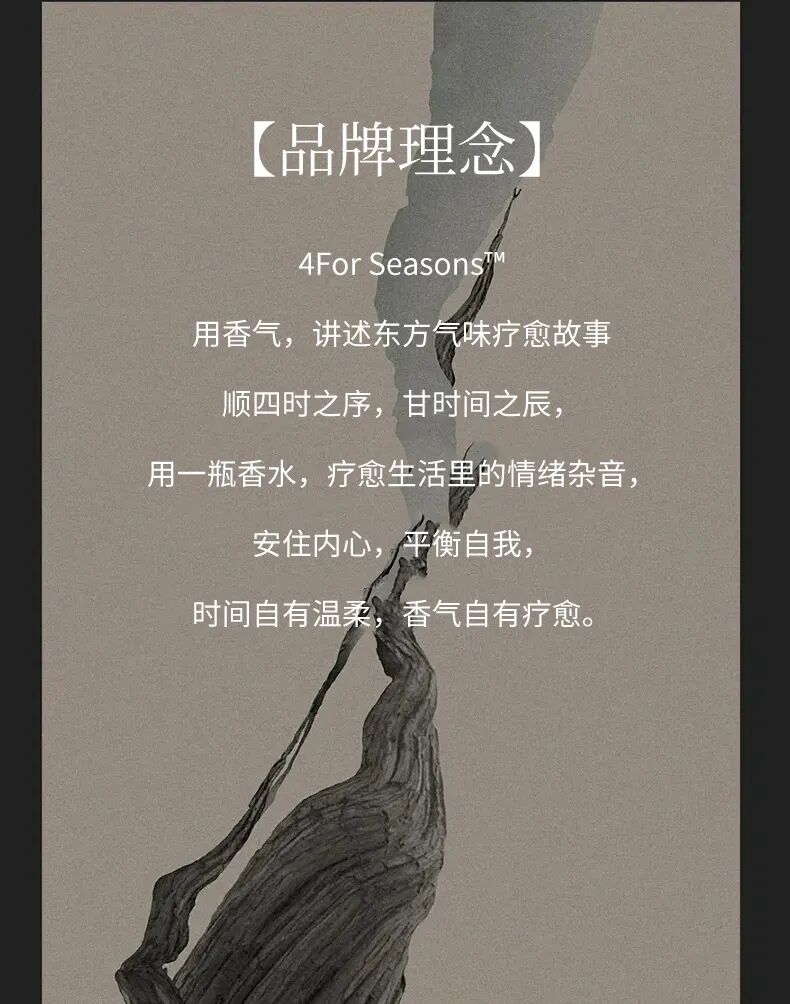
Lricy didn’t want to create perfume that was simply “nice to smell.” She envisioned cultural products with emotional healing at their core. Under the philosophy she calls “Eastern Essence,” she draws on traditional Chinese concepts—the Five Elements, the 24 Solar Terms, and natural cycles—using scent as a medium for quiet emotional repair.
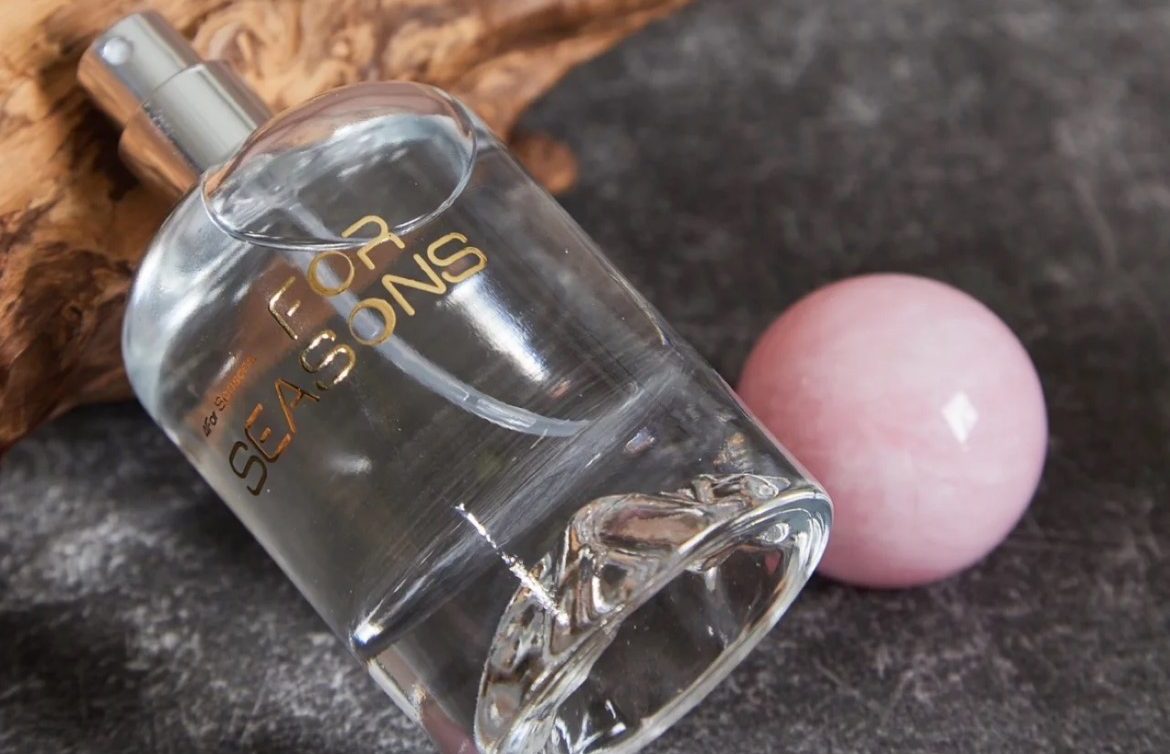
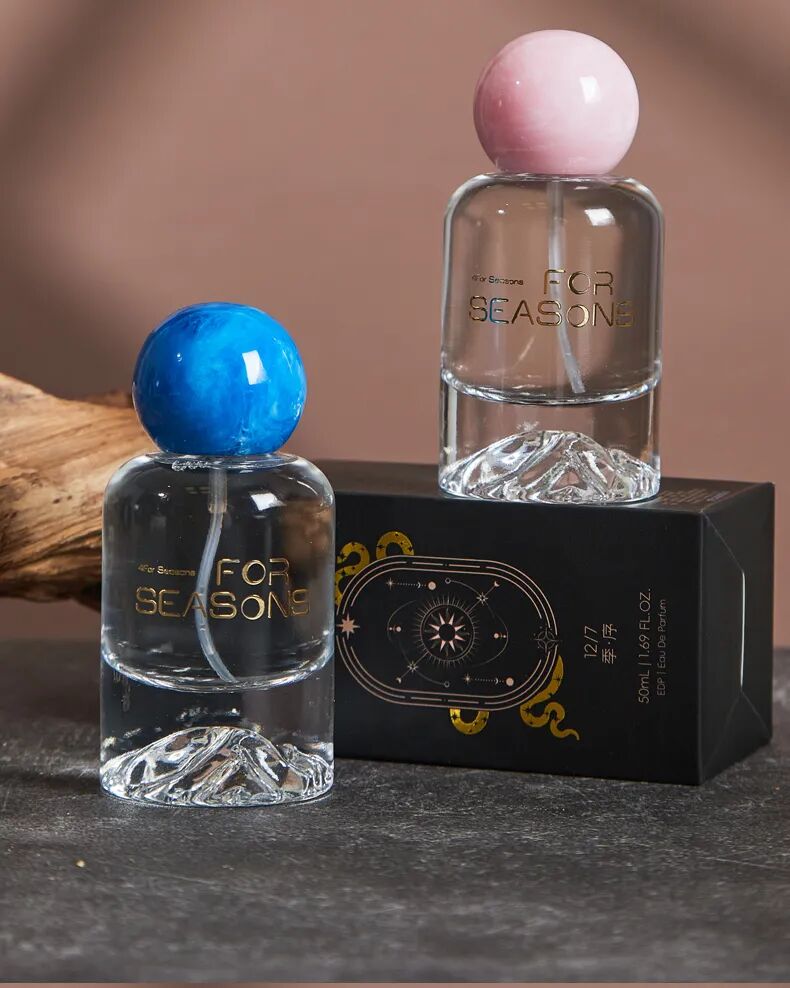
Her debut collection, Season·Rhythm, includes fragrances named “4/7” and “24/7,” referencing the four seasons, weekly cycles, and the rhythm of a full day. “4/7 represents the changing seasons and life’s fundamental cadence,” Li explains. “24/7 reflects the balance of stillness and movement embedded in the Eastern understanding of the 24 Solar Terms. I wanted perfume to function like a portable emotional metronome—something that helps you slow down with a single breath.”
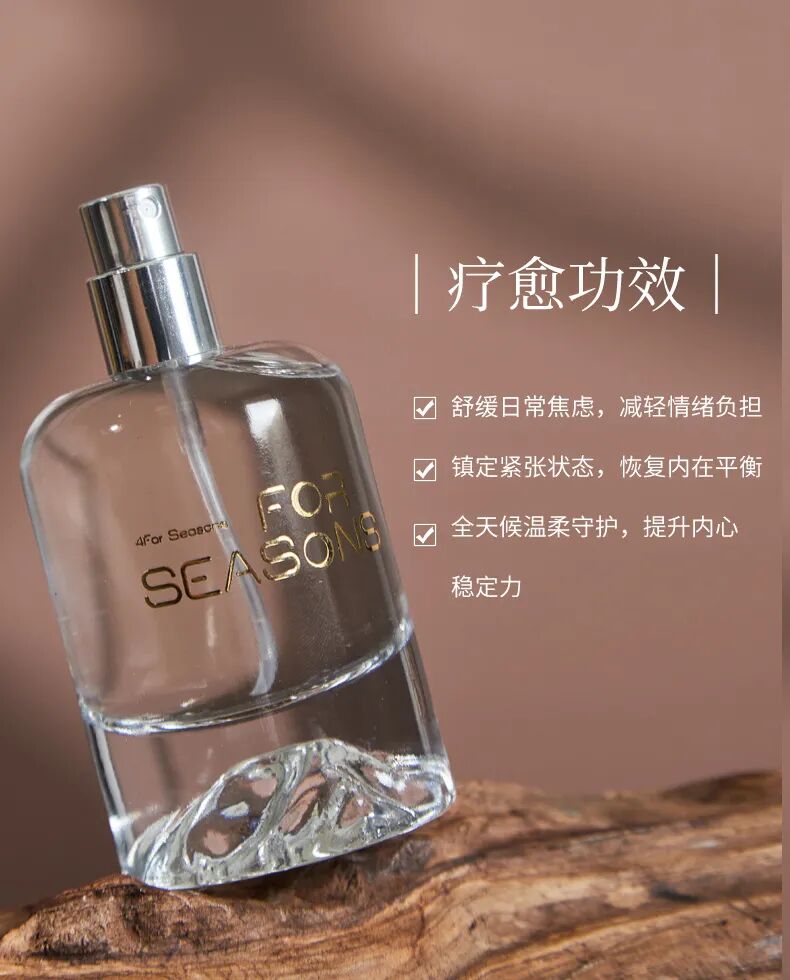
From spring citrus and midsummer fig to autumn lavender and winter cedar, each scent is designed to echo a season. More than fragrance, each acts as a quiet form of olfactory healing.
“Traditional Chinese philosophy emphasizes acting in accordance with time,” Lricy says. “I wanted scent to reflect that—offering different kinds of support at different moments.”
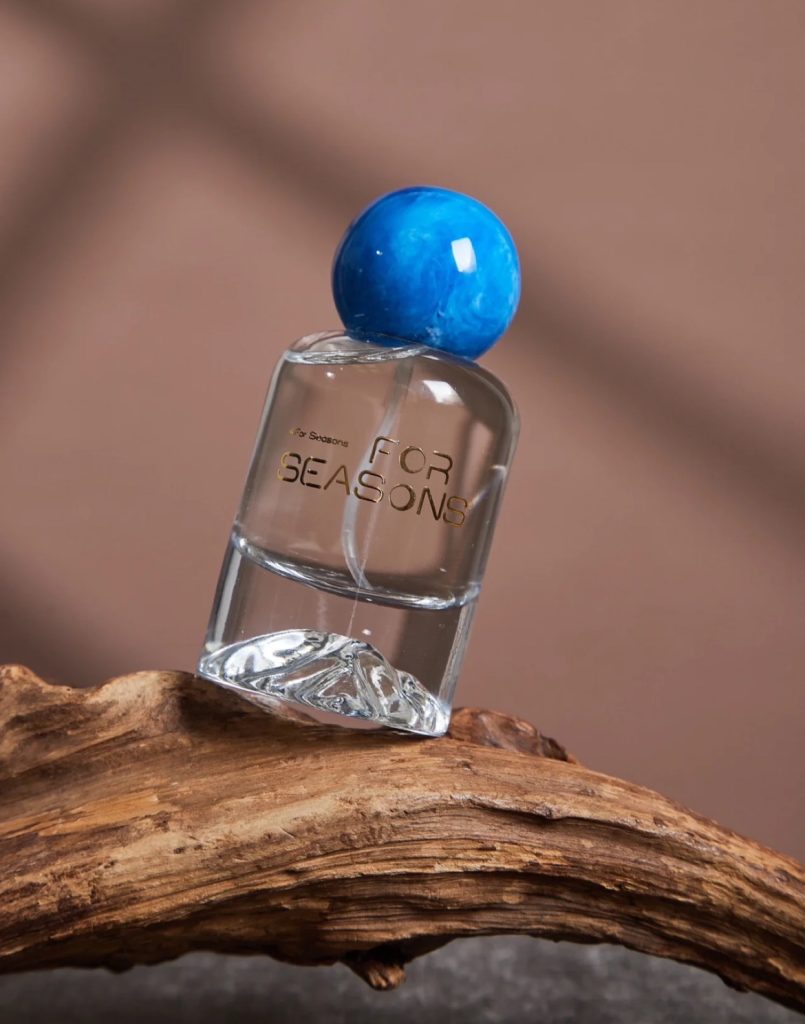
The brand name 4 For Seasons nods to the ancient idea of “pure scents for the four seasons” while speaking to modern life. “The number ‘4’ represents seasonal cycles and time itself,” Lricy explains. “‘For Seasons’ means both ‘for the seasons’ and ‘for you, through every season.’ It’s a promise of year-round emotional companionship.”
The name is memorable in sound, philosophical in meaning, and cultural in spirit—exactly the balance Li hopes to strike. Fresh yet grounded, much like her favorite citrus-woody accords.
Building a brand around slowing down, however, is anything but romantic—especially in a fast-moving consumer market. Early on, factories rejected their small orders, formulations proved unstable, and translating Eastern philosophy into modern packaging felt elusive. Li and her team visited dozens of OEM manufacturers, hearing “no” again and again.
“But we were very clear about what we wanted,” she says. “And we weren’t willing to compromise just to move faster.”
When the first batch of samples finally arrived, the feeling was surreal. “It was quiet, but incredibly powerful,” she says. “Something that had lived only in my head suddenly existed in the real world.”
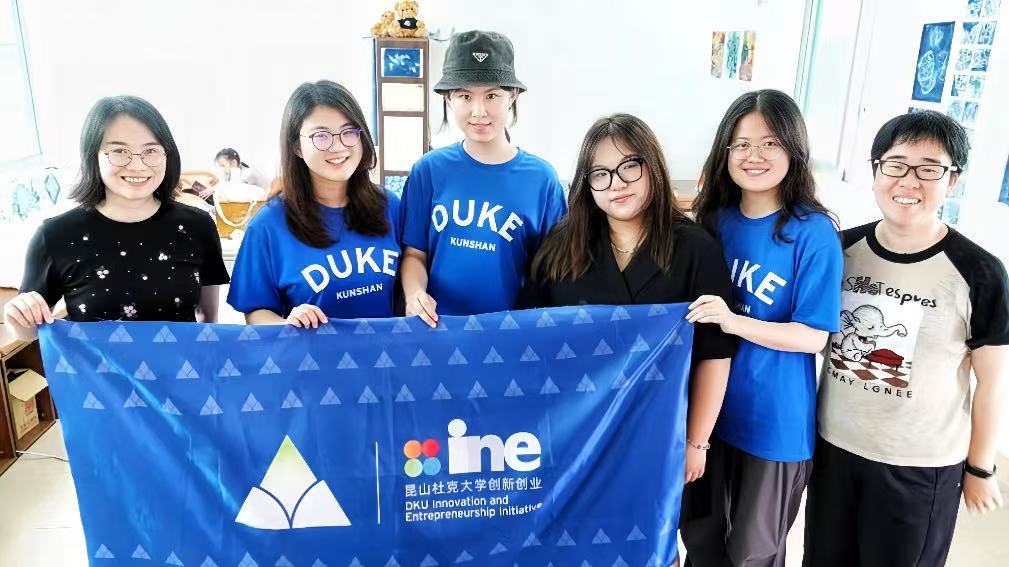
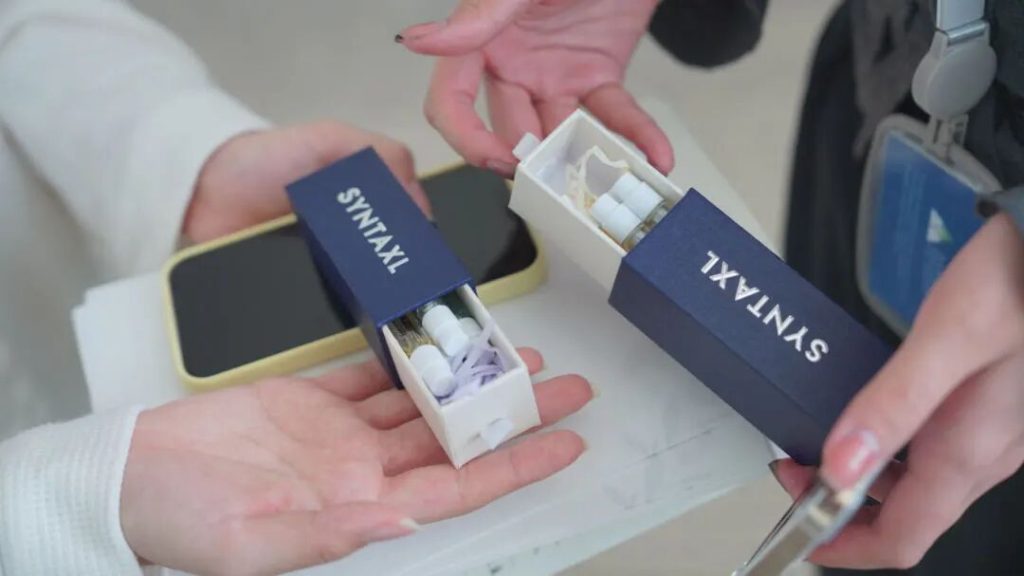
In June 2024, Lricy and her team were selected for Duke Kunshan University’s Innovative and Entrepreneurship Training Program(Da Chuang) and soon hosted their first brand roadshow. While they weren’t immediately admitted into the incubator, the experience proved pivotal. They brought small-batch samples, conducted on-site testing, and gathered detailed feedback through questionnaires on scent, packaging, and brand philosophy. The insights helped turn abstract ideas into tangible direction.
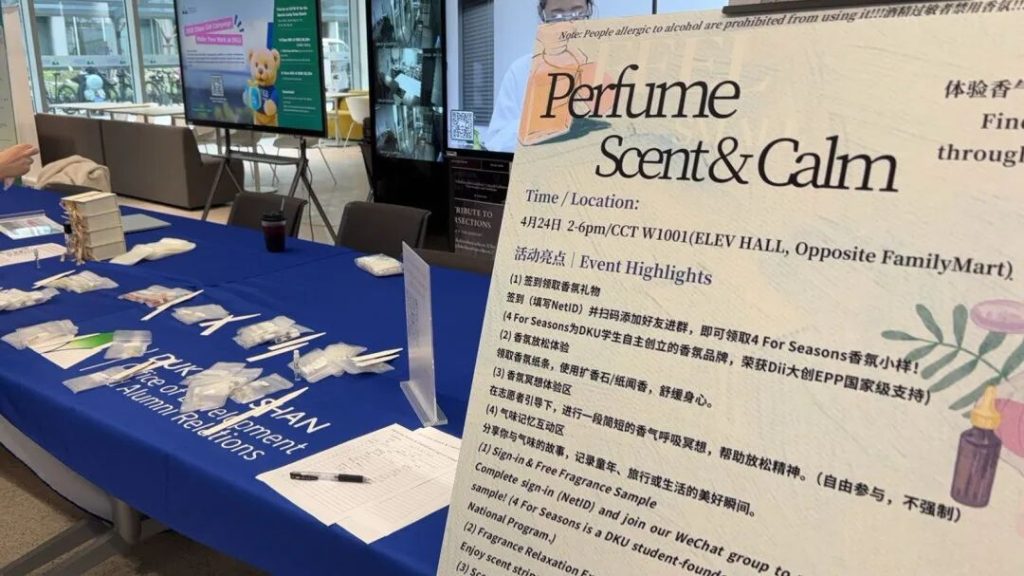
Soon after, the team was accepted into Duke Kunshan University’s Innovation Incubator (Dii). During the incubation period, they hosted a campus event themed around “Scent Healing.” “The mentors were incredibly practical,” Lricy recalls. “They helped us refine our visual system, user language, and overall brand coherence.”
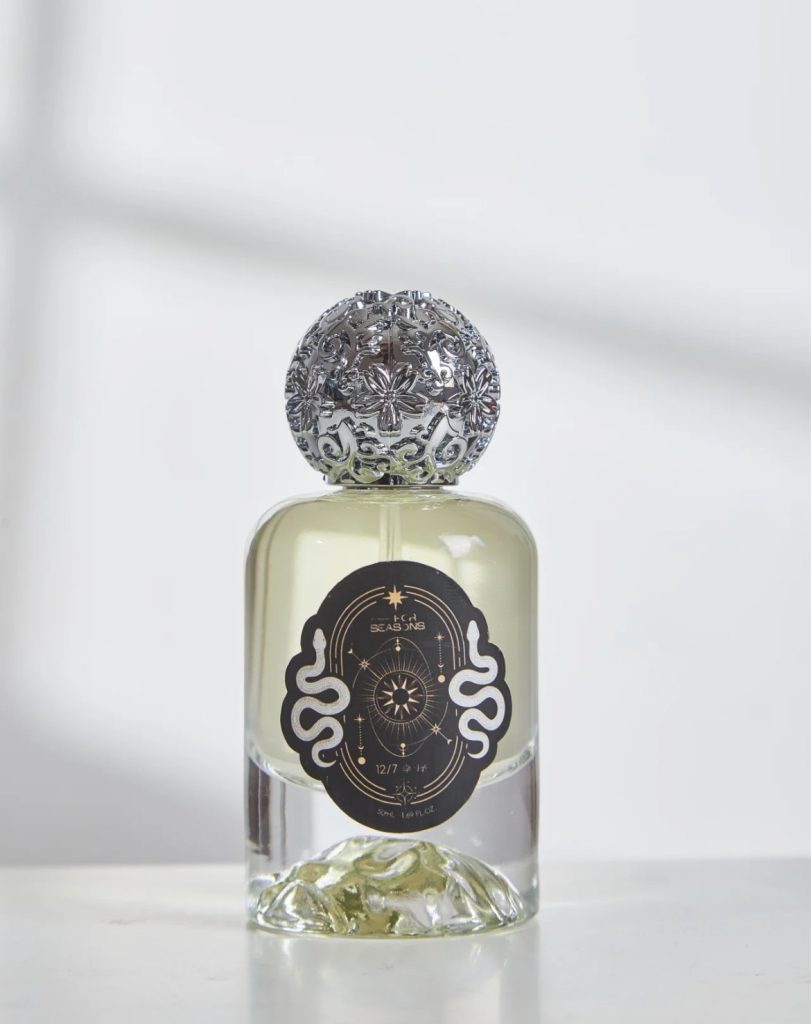
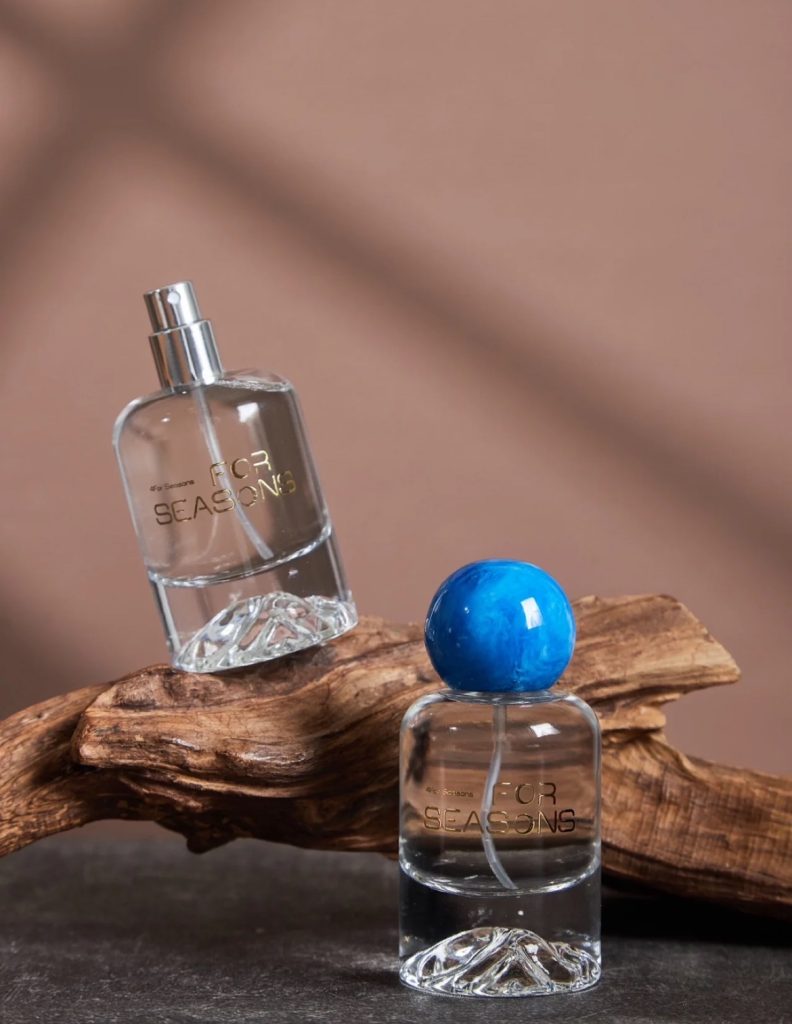
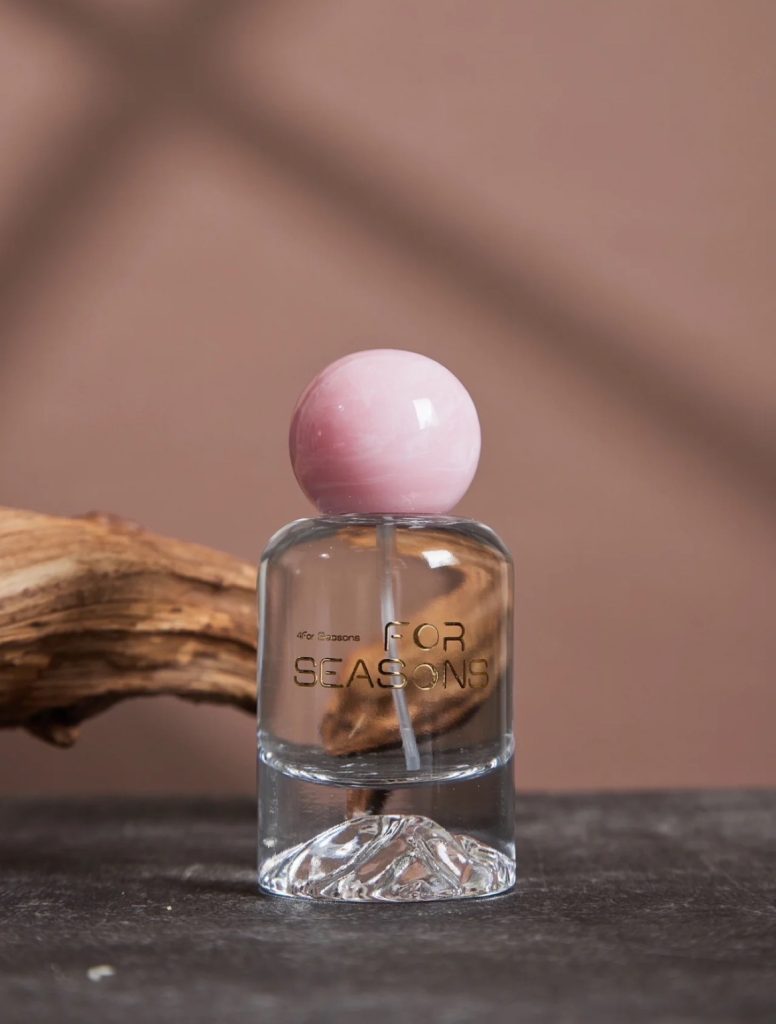
Not long after launch, Li sent a bottle to a high school classmate—now a well-known beauty blogger on Xiaohongshu. After trying it, her friend messaged her: “This scent feels just like you—gentle but unyielding, delicate yet powerful.”
That reaction meant everything. “I wasn’t moved just because she liked it,” Li says. “I was moved because she understood. She smelled what I was trying to say. For a narrative-driven brand, being understood is the highest form of success.”
Today, 4 For Seasons has begun to establish its identity. Its core audience is urban women aged 20 to 50—people who value ritual, self-awareness, and emotional balance. They don’t come only for fragrance, but for the sense of reconciliation and calm the brand offers.
Looking ahead, Lricy plans to expand into scented candles and home fragrances—designed as “olfactory clocks” or “rhythm reminders” that help people reclaim moments of stillness. She also intends to continue her Global Health research, translating academic insights into tangible sensory experiences.
“Perfume is just the beginning,” she says, smiling. “It’s my way of asking questions about life—and maybe, slowly, finding answers.”
“The most meaningful work isn’t about chasing trends,” Li adds. “It’s about using products to respond to questions you’ve been carrying for a long time. For me, every bottle is an answer to one question: How can Eastern wisdom continue to live in the modern world?”