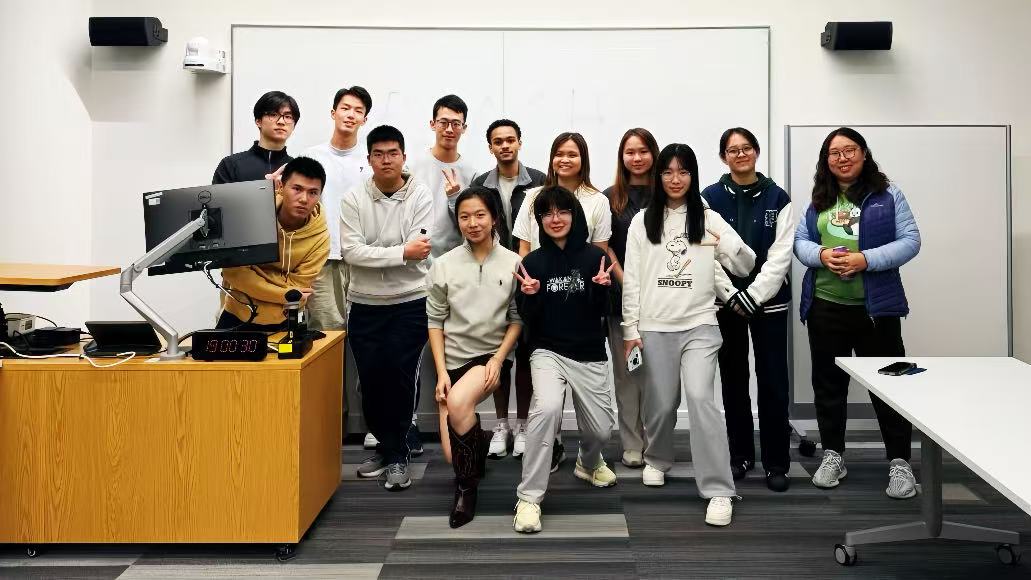
“In the charity shop, you can buy acts of kindness as well as things you may need — and beyond the physical items, you also take away a warmth in your heart. There are many special people here, and (ShanTao) allows them to participate in real work. Kindness is exchanged here, and (ShanTao) helps more unique friends find their confidence and sense of value.” This was the heartfelt reflection shared by Richie Jen after spending a day as a guest store manager at the ShanTao shop.
The story of REACH and the ShanTao shop began unfolding in the spring of 2025. Guided and supported by U-Corp and the ShanTao team, a group of like-minded young people — driven by pure enthusiasm and undefinable passion — chose to step into a charity shop called Buy42. At the time, they had no idea that this would become more than just a project experience — it would evolve into a life-changing journey of greater social awareness and personal transformation.
In the beginning, they hadn’t come very far, and REACH wasn’t even called “REACH” yet. They were very different from one another, yet the most intuitive teammates to each other:
Violet, with extraordinary verbal skills and meticulous care;
Xinxue, who could elevate your vision whether handling external outreach or top-level planning;
Yitong, with exceptional execution, flexibility, and humility;
Yuhan, the team’s steady anchor.
They learned to navigate through clashes and find harmony through discussion. Those initial, slightly awkward first attempts later became treasured footnotes in their shared memory.
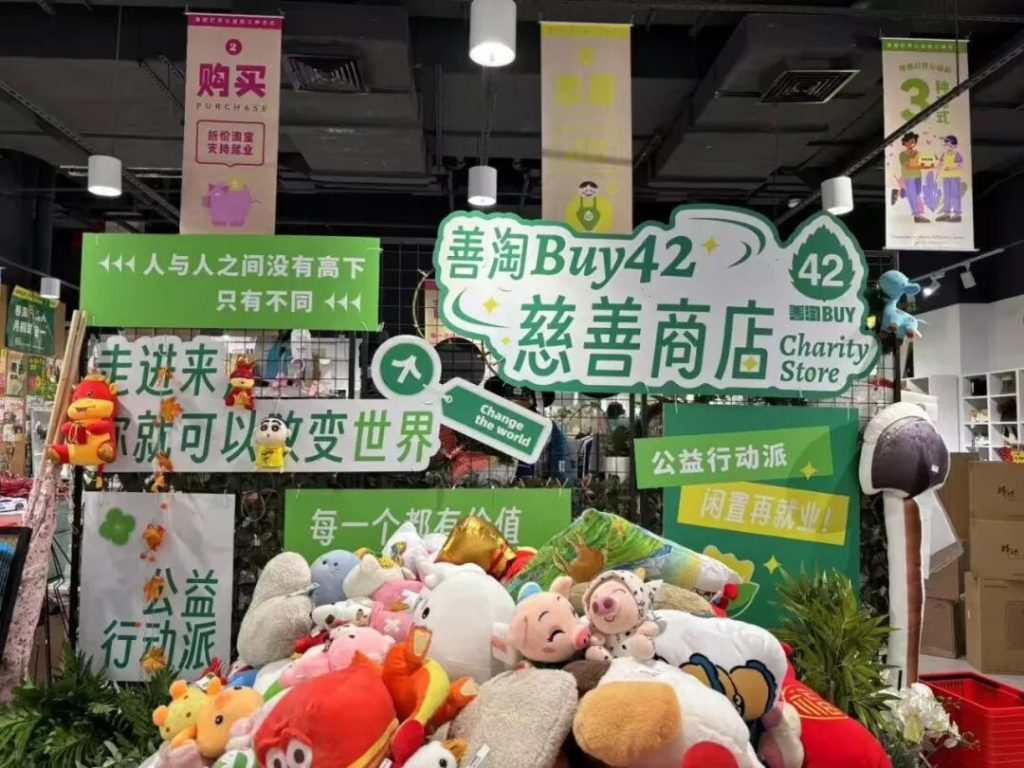
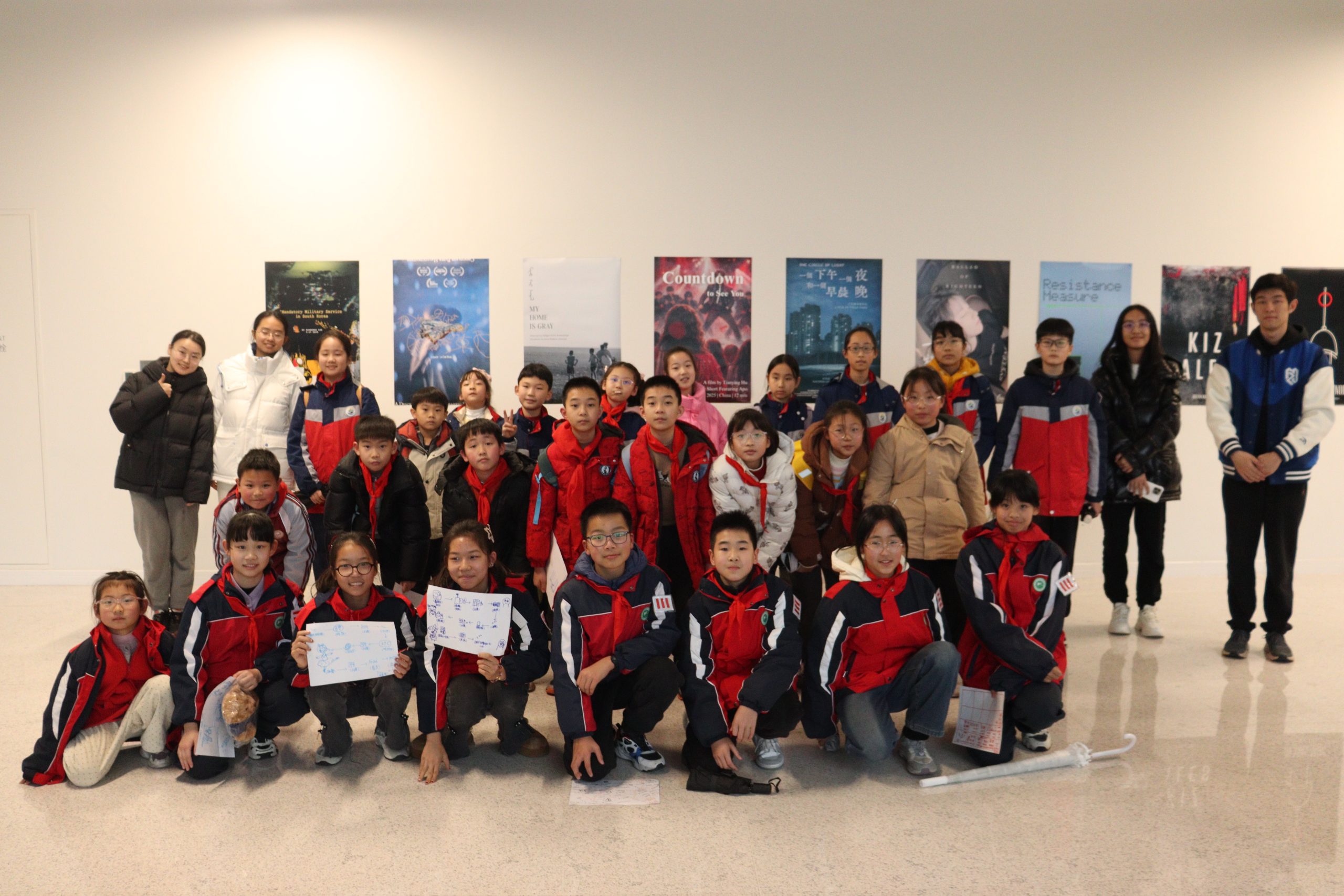
Daily Store Manager Local Photos
Their first stops were at the ShanTao Hui Ju store and the Chengjia Bridge store — places that became miniature windows into observing the diverse possibilities of community life. The design of ShanTao’s shops is deeply rooted in local cultural ecology and neighborhood landscapes, so each shop feels like a unique community puzzle piece, carrying the local social fabric and cultural memory.
At the larger Hui Ju store, which sees higher foot traffic, when Yuhan was on duty as a one-day store manager, ShanTao gave her a memorable moment: a new mother’s uncontainable joy at finding affordable items she truly needed. A few minutes after leaving the store, the mother came back just to buy one more small item she had missed — the two of them shared a knowing smile without a word. For another mom, this place has become a living classroom for practicing sustainable, low-carbon, and sharing values with her daughter. Between clothing racks and shelves, these lessons in mindful living were quietly passed on.
At the Chengjia Bridge store, the space feels more like a warm neighborhood living room. Nested within the Xin Cheng residential area, it offers locals a relaxed place to chat after dinner or cool off during leisure time. The elderly store manager — though limited in mobility — always greets visitors with kind eyes while arranging items. Familiar neighbors, like an old grandmother, would strike up conversations and ask for opinions about clothing choices. The team would patiently help her compare colors and patterns. Old wooden tables, second-hand books, and donated mementos silently tell the stories of this street — a space that holds not just pre-loved goods, but the hopes and connections of many people.
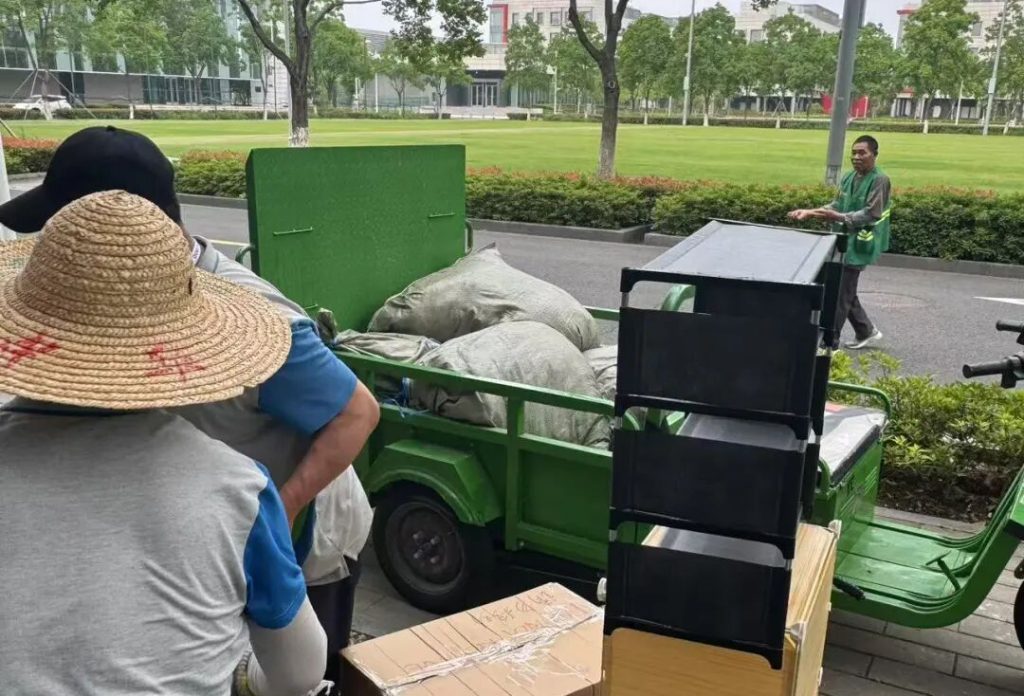
Second-Hand Donation Event Photos
However, the process did not unfold as smoothly as planned. Every component — the venue, transportation capacity, sorting, organizing — once unpacked, revealed a tangled web of challenges, with each issue intertwined and affecting the whole. Everyone realized that pure enthusiasm and a perfect plan alone were far from enough; they had to face this mess head-on and find the right thread to unravel every knot.
Thanks to Xinxue’s proactive communication and negotiation, the team successfully secured a face-to-face meeting with the university’s logistics department, ultimately gaining access to a space for storage and some transport support. This hard-won backing acted like a strong shot of encouragement — it gave the team members a glimpse of hope, as if the tightly drawn string could finally loosen a bit.
Yet, the reality proved far more complex and stubborn than imagined. Although securing the venue and transportation laid down a rough skeleton for the project, the real test — the sorting and organizing work — was still ahead. This stage would determine whether the project could truly be filled with substance and life, and the difficulty of this task far exceeded their early expectations.
They placed donation boxes under the dorm buildings, originally planning to empty them once every two weeks — but to their surprise, “after clearing them the first day, they were already overflowing again the next.” What made things even more challenging was that the boxes were filled with far more than just acceptable donations. They saw all kinds of second‑hand items — some so strange you didn’t even have the courage to pick them up, Violet and Yitong said with a wry smile.
But through that chaos, they began to see the reality of the donation ecosystem — “Many people didn’t mean any harm, they simply didn’t understand what was actually ‘donatable.’” This realization forced them to reflect and rethink: their initial plan had been overly idealistic. The surge of donated items acted like a mirror — reflecting the goodwill of their peers, but also highlighting the reality of information asymmetry.
The team soon realized that passively accepting every donation and then sorting through a massive pile was a dead end — a painstaking, volunteer‑draining process with poor efficiency. For a while, the team members became de facto collectors and haulers, pushing two handcarts back and forth among the seven dormitory buildings. “Each cart could carry at most two bags,” they recalled. “Once it was full, we had to take it back to the storage and then come right back. It was really exhausting.”
They began to expand the team and started thinking about adjusting their donation strategy — finding ways to make this goodwill more efficient and sustainable. The impact was immediate: as their “circle of engagement” grew, their work shifted from simple “junk collection” to an organized, warm‑hearted public service project. The wheels of their carts still roll across campus, but the rhythm is no longer rushed or heavy — it has become orderly and determined.
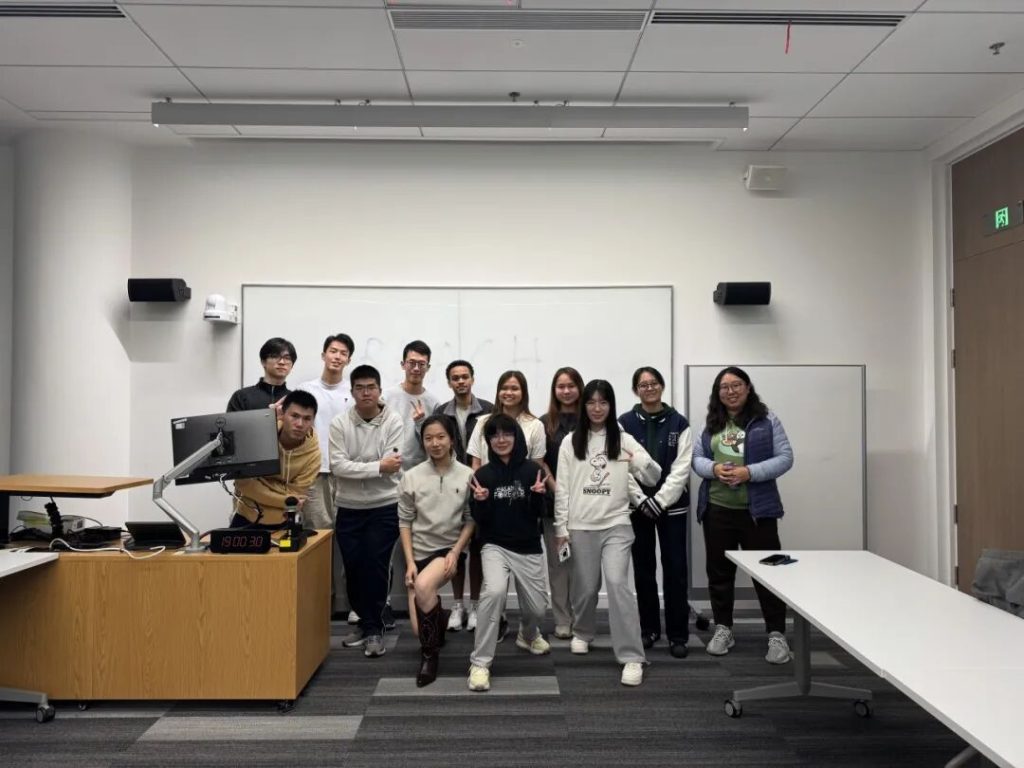
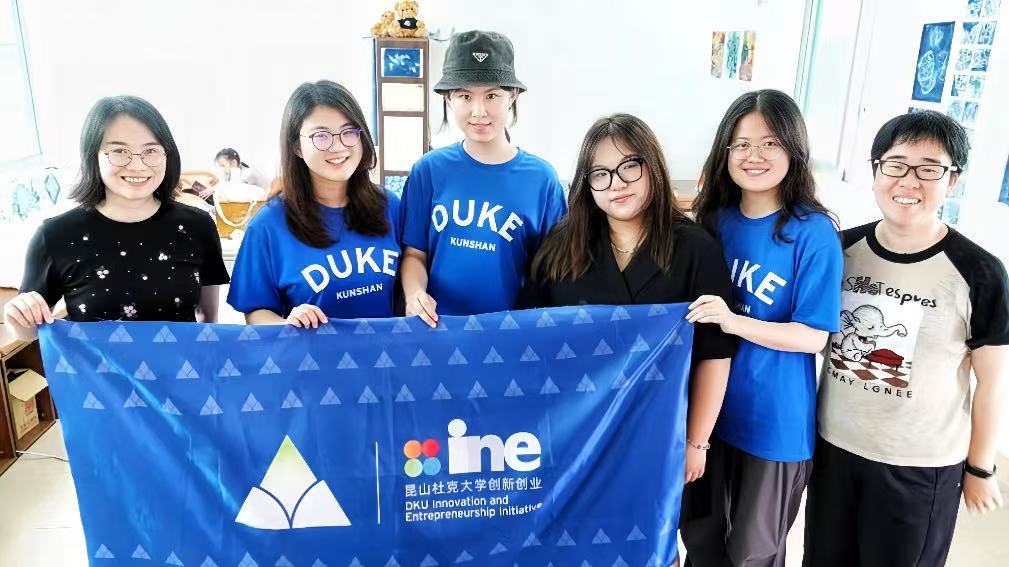
Group Photo of REACH’s First Autumn 2025 Members
After the project ended, the students didn’t stop moving forward. Inspired by Buy42, they launched “REACH” — a name proposed by Violet and agreed upon by the whole team. It represents “Recycling,” “Economy,” “Action,” “Community,” and “Humanity.”
“In fact, it can also be interpreted as ‘Co‑creation’ or ‘Accessibility,’ because we resist being defined. We want to explore more possibilities and build broader connections with the community,” Yitong added.
Today, REACH has grown to 30 core members and continues to promote donation drives, eco‑friendly markets, disability‑inclusive workshops, and more on campus. They look forward to joining more hands, extending kindness and care far beyond the university.
Even more exciting, the team’s experience helped them successfully secure a Global Youth Project with the United Nations University Millennium Fellowship in mid‑August 2025. They will join young leaders from around the world to engage in discussions on SDG‑related topics. This recognition not only honors their past efforts, but also opens a door to a much wider stage.
Perhaps this is the best way for a young generation to connect with public good — not through top‑down “help,” but through equal participation and shared resonance. In the story of Buy42 and these university students, what we see is a new possibility for doing good: not grandiose, but grounded; not loud, but warm and sincere.
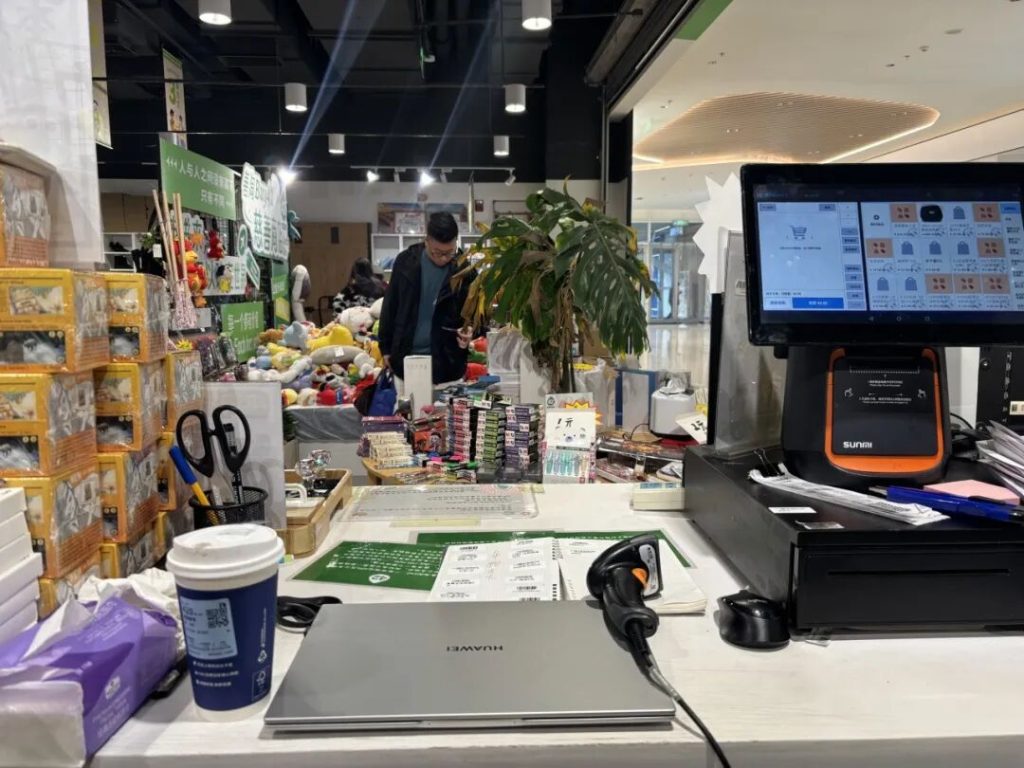
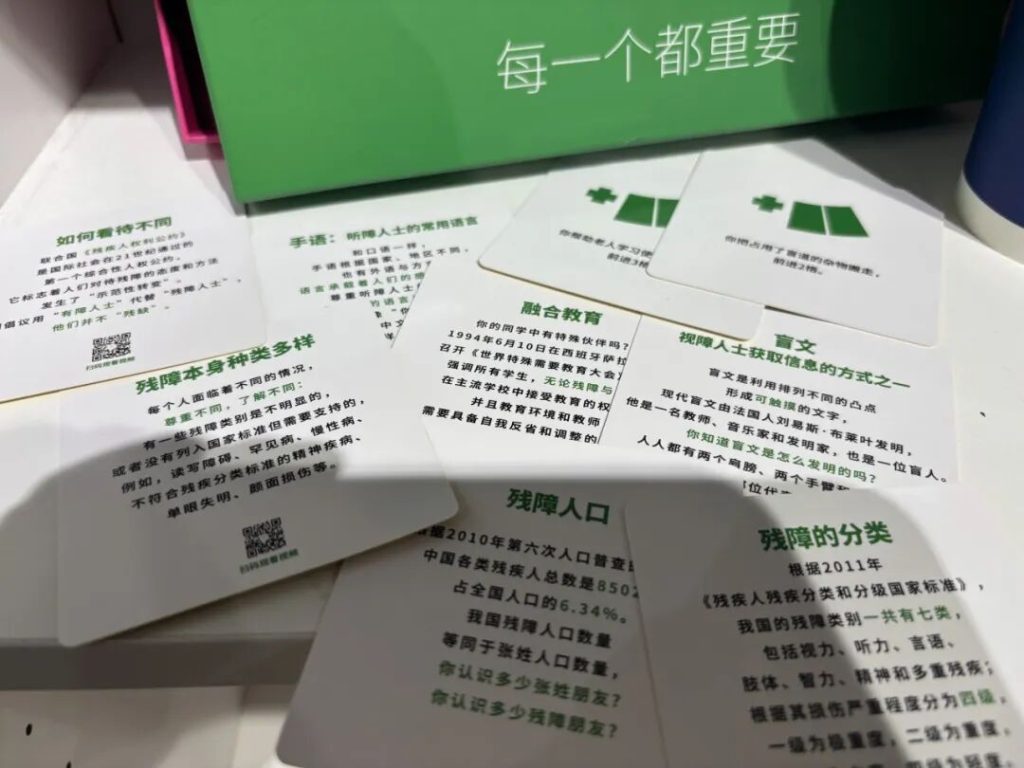
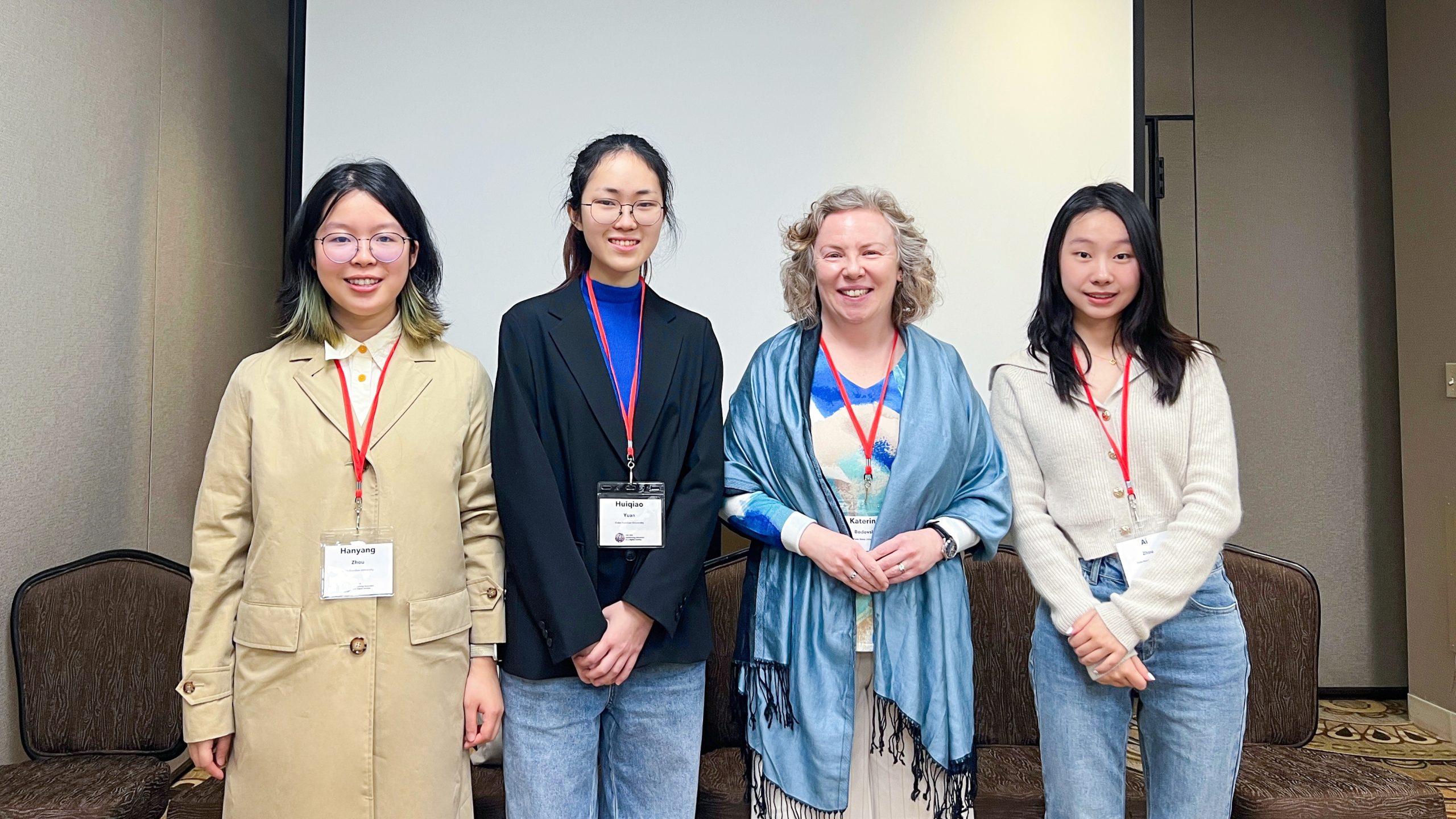
Snapshots from the Buy42 Charity Project
So, if there’s one piece of advice for you as someone newly joining U‑Corp, it would be this:
Don’t rush to find the “perfect choice.”
Instead, cherish every opportunity to get hands‑on experience. Choose a direction that genuinely interests you — not one you think you should choose — because only passion that comes from the heart will drive you to overcome challenges and stay committed.
As Yuhan put it:
“Find more possibilities and go further.”
U‑Corp is not just a project assignment; it’s a platform for exploration, learning, and real problem‑solving. It connects students with real partners and community challenges, helping you navigate ambiguity, engage stakeholders, iterate your approach, and produce meaningful deliverables. DKU Innovation Initiative
By following your curiosity and learning through doing, you might find clarity about your future career path — sometimes in unexpected ways. The true value lies not just in the outcome of a project, but in the process you personally experience and grow through.