

Co-Innovate 2026 Spring Open for Application |
U-Corp Upgrade
Engaging in Real-World Co-Innovate Practice
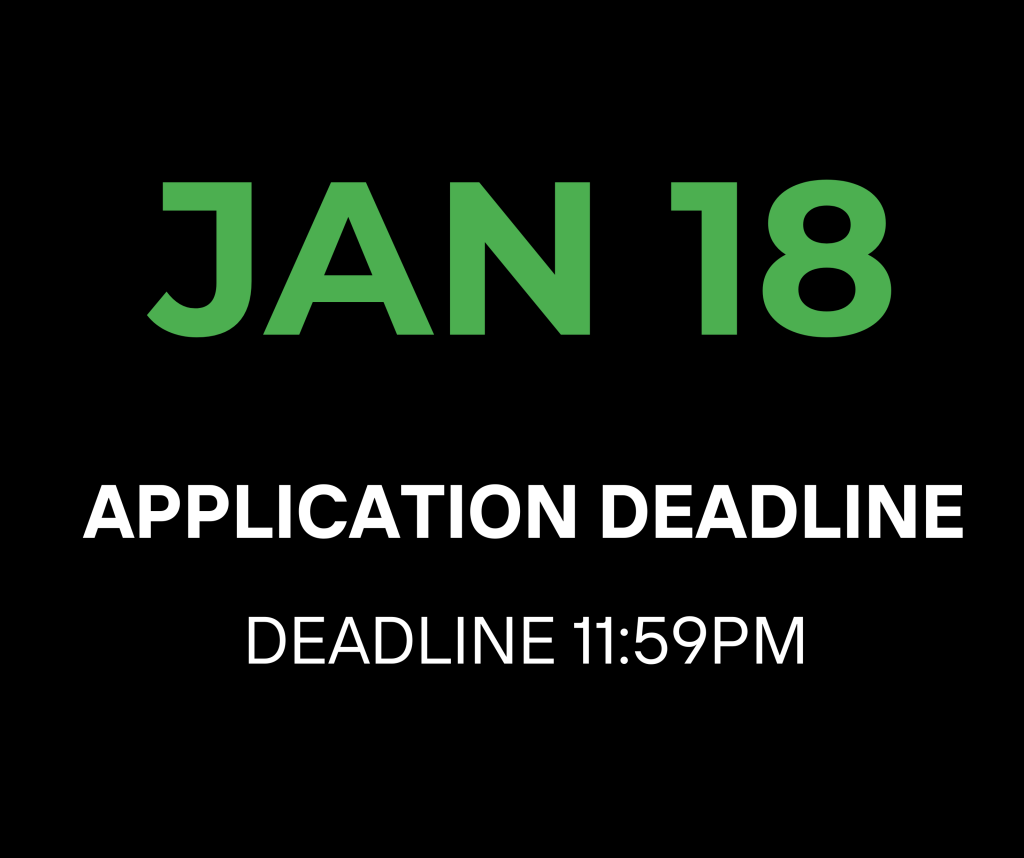
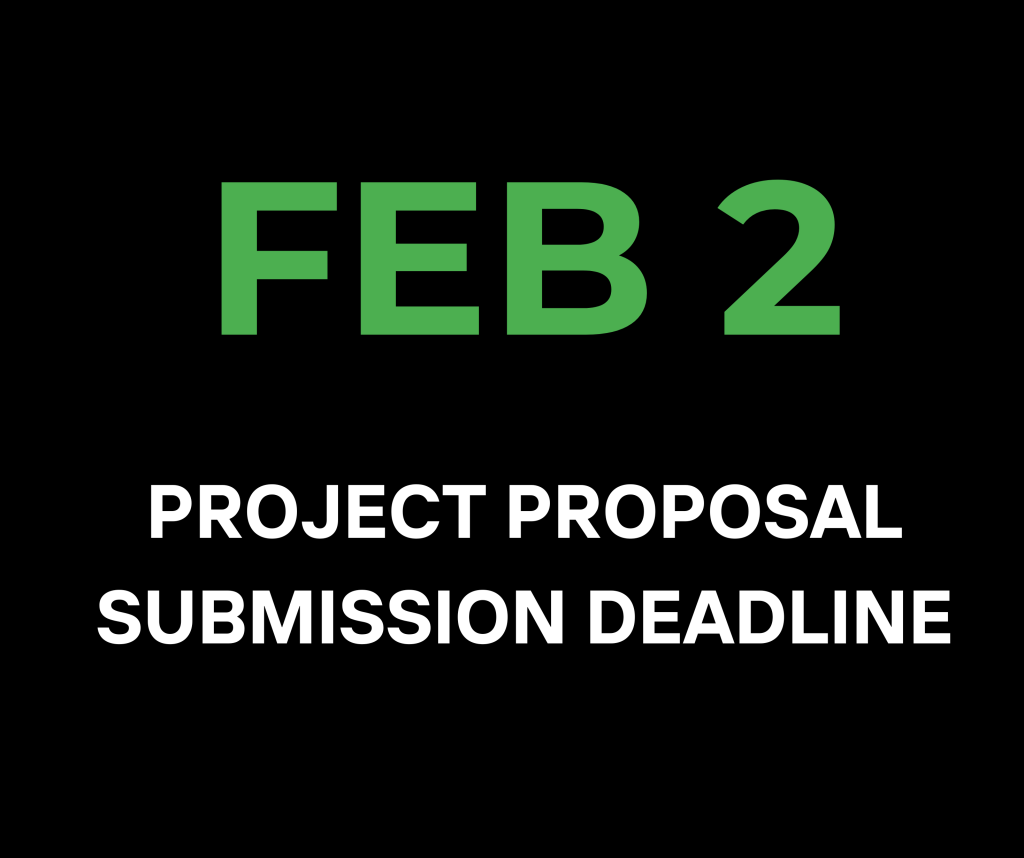
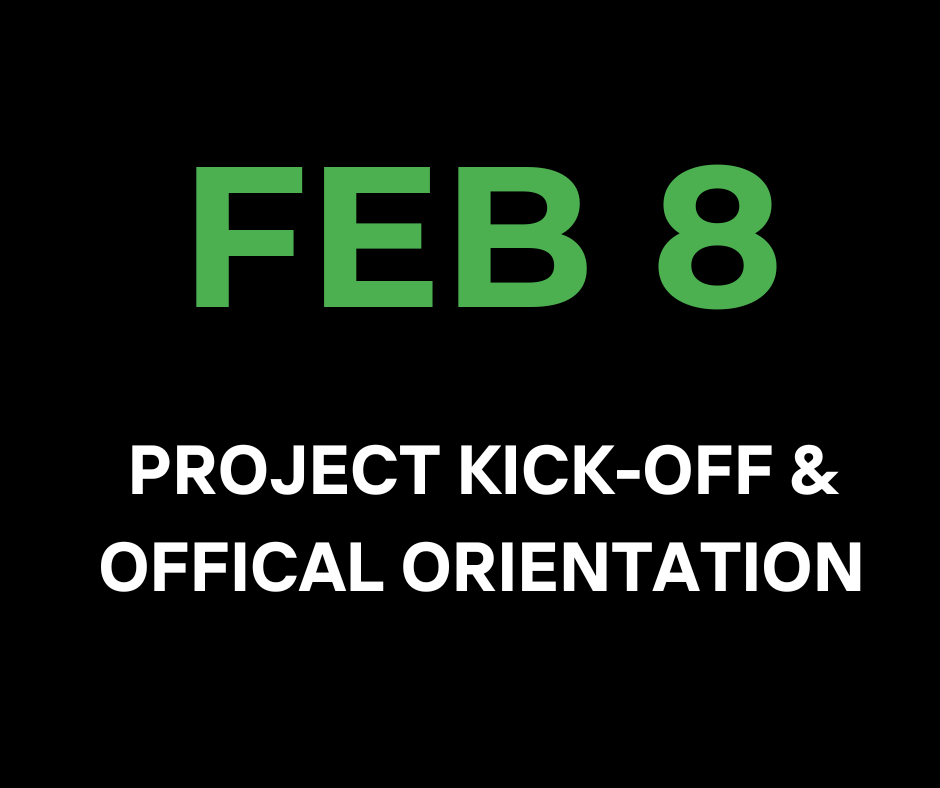
APPLICATION TIMELINE
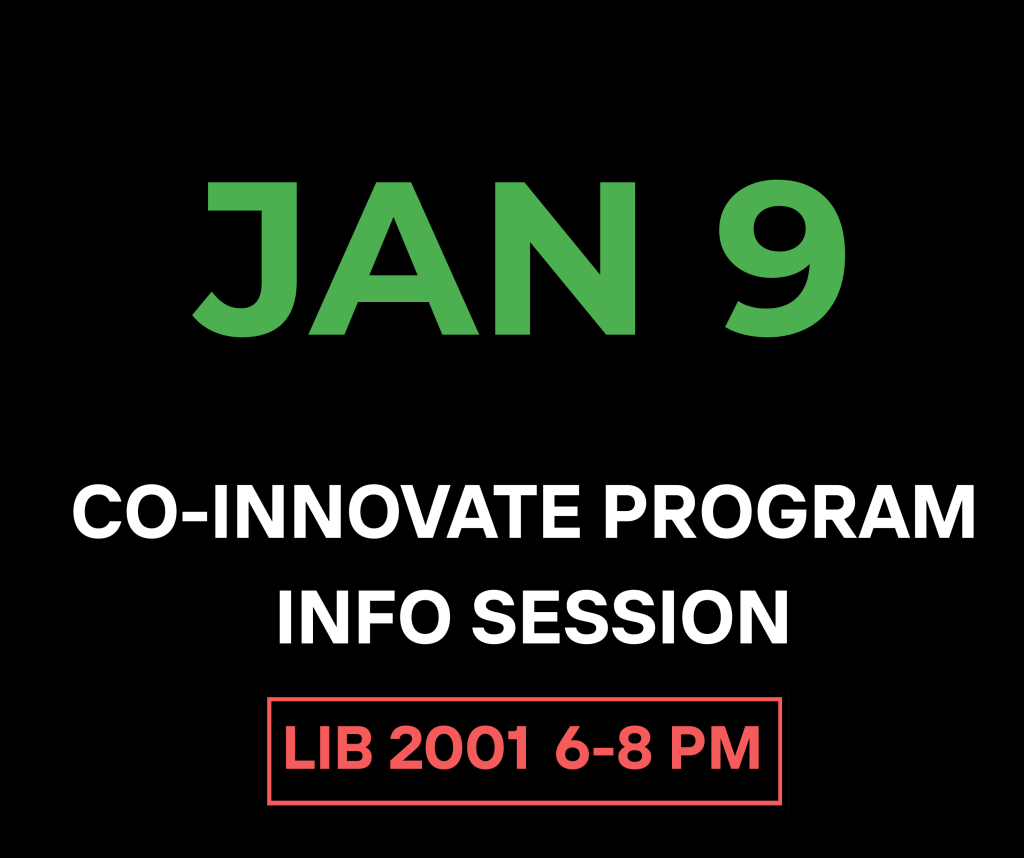
HOW TO APPLY
- Team-Based ProjectsMost projects require students to apply as a team, such as Research, Tech-Innovation, and Creative Projects. These projects usually involve complex tasks and benefit from diverse skills. Teams are expected to:
- Identify a project lead who will be taking all the logistics, partner, and team management efforts
- Demonstrate complementary skills among team members
- Show clear collaboration and communication plans
- Individual Application ProjectsSome projects allow or require individual applications, especially for:
- Social Practice & Service Projects
- Student-Led Projects
For these projects, selected students may form or expand their teams after acceptance.
- Academic background or coursework related to the project
- Practical experience (research, design, coding, media, community work, etc.)
- Strong motivation to learn and engage with real-world challenges
- Availability and commitment throughout the project period
- Clear role distribution and willingness to learn and adapt
- Shared understanding of project goals
- Take ownership of their projects
- Actively engage with partners, communities, and stakeholders
- Communicate professionally and respond to feedback
- Work collaboratively and respect deadlines
- Reflect on learning and growth throughout the process
- Once you have:
- Chosen a suitable project category below
- Getting yourself familiar with the project requires a team or individual application
- Prepare the relevant application materials:
- Team/Individual Information and Resumes
- Motivation Explanations (by answering questions)
- Project Long-term Expectation (only for long-term projects)
- Partner Recommendation Letter and Project Proposal (only for Student-led Project)
- Submit the application before the DDL: Jan 18, 11:59 PM through:Co-Innovate 2026 Application Form – Intellistack
You can proceed to the Formstack application with clarity and confidence.
PROJECTS TYPES
- Project-Based Track: Students design and deliver service or social innovation projects that address specific community or organizational needs. The focus is on practical problem-solving, teamwork, and measurable impact through applied engagement.
- Community Leader Track: A Community Leader is a student who collaborates closely with local residents, organizations, and stakeholders to identify needs, co-design initiatives, and sustain long-term outcomes. Rather than providing one-time services, community leaders cultivate trust, mobilize resources, and facilitate solutions that empower and build communities’ resilience.
PROJECT INTRODUCTION
PEER
County Studies
Project Information
This collaboration aims to engage DKU students in county-level field research together with PEER’s research team through a community exploration project. With mentorship and accompaniment from the PEER team, students will conduct on-site visits in county communities and use methods such as Youth Participatory Action Research (YPAR) and oral history. They will conduct in-depth research on local humanities, social issues, and community development topics through field observation and interviews.
By researching local residents’ stories and understanding the realities of community life, students will gain solid hands-on field research experience and develop deeper insight into the context and root causes of social issues, building a practical foundation for future public action and social innovation.
Vidacity Shanghai
STEM Program Design
Project Information
Impact Hub Shanghai
SDG-related Consultation
Project Information
Under professional guidance, participating students will conduct an in-depth research study on the start-up communities in Central China.
The research will examine the landscape and structure of local entrepreneurial ecosystems, including community characteristics, operational models, typical activities, stakeholder engagement, and emerging development trends. Students will explore how young entrepreneurs build networks, access resources, and develop early-stage ideas within these communities.
Through this project, students will gain hands-on experience in ecosystem mapping, community analysis, and qualitative interviewing, strengthening their understanding of China’s evolving innovation environment.

Reactor School
Shanghai Start-up Community Research
Project Information
This project aims to provide students with authentic industry practice through university-corporate collaboration. Under the guidance of Impact Hub Shanghai, students will participate in a series of consulting-style research projects centered on climate, sustainability, renewable energy, and clean technology.
Typical working content includes stakeholder mapping, ecosystem mapping, innovation/technology assessment, and case research, helping students understand industry value chains, key stakeholder groups, and the interactions.
Between Feb 2026 and Jul 2026, possible research topics include (but are not limited to): financing support for county-level innovation and entrepreneurship, coordinated low-carbon transition across the petrochemical and chemical value chains (upstream to downstream).
Through the process, students will strengthen systems thinking and research capabilities, deepen their understanding of real-world operations in sustainable development and clean-tech sectors, and build a solid foundation for future career development in environment, energy, and social innovation.

WhaleSights
Going Global Research
Project Information
“Going global” has become one of the hottest topics and top priorities for Chinese companies today. It may well be a defining keyword for China’s macroeconomy over the next decade—and a strategic decision facing every Chinese entrepreneur.
This project focuses on a specific outbound-expansion actor (e.g., a type of Chinese enterprise) or a target destination and ultimately aims to produce key insights into the current state of global expansion in a particular sub-sector and its core driving forces. By studying how Chinese companies expand into specific regions or countries (e.g., Belt and Road markets, the United States), including patterns such as sector coverage, capital flows, and technological upgrading, the project seeks to uncover underlying rules and decision-making logics.
Alternatively, by examining regions or countries with extensive historical experience in global expansion (e.g., the United States, Europe), the project will analyze the motivations, execution, and outcomes of overseas expansion in a given sub-sector and distill actionable business insights.
The project outcomes may support Chinese medium-to-large enterprises seeking international growth opportunities, while helping students broaden their global perspective, learn business research methodologies, and develop a deeper understanding of business and technology decision-making.
Shanghai Xin’ao Brightness Charity Foundation
AI-embedded Companion Toy Design
Project Information
Retinoblastoma (Retinoblastoma, RB) is a malignant ocular tumor that primarily occurs in children. Its treatment cycle typically lasts 4–6 years. During this period, children need to travel to Shanghai for follow-up visits every month and undergo long-term hospitalization and chemotherapy. The high-frequency treatment and hospital stays significantly limit children’s contact with the outside world, and feelings of loneliness, fear, and anxiety continue to accumulate.
In addition, parents bear heavy financial and psychological pressure and often find it difficult to provide stable emotional support over the long term, leaving children with a clear gap in psychological comfort during treatment. At present, emotional companionship services within the hospital system during RB treatment are still insufficient; children and their families urgently need low-cost, sustainable emotional support resources.
Meanwhile, elderly people who previously benefited from Xin’ao Brightness public welfare programs and regained their vision also wish to give back through concrete action, but lack suitable channels for participation. With support from DKU’s university-enterprise co-creation platform, this project plans to connect the elderly with children, leveraging design innovation and AI technologies to jointly build an intergenerational companionship and psychological care public welfare system—bringing courage to children and helping participating seniors regain a sense of value and warmth.
memU
Agentic Memory Framework Design
Project Information
This project aims to provide students with a high-level technical co-creation experience through a real codebase, open-ended product iteration, and engineering practice. Throughout the project, students – guided jointly by mentors and company developers – will join the memU product and open-source ecosystem as collaborators and directly contribute to upgrades and iterations.
Both sides will jointly plan several themed co-creation directions, targeting real technical pain points or user needs, and form a structured learning path with concrete deliverables. Participation may work on (but is not limited to):
- Submitting high-quality PRs (Pull Requests) based on real requirements;
- Developing new feature modules and extending existing capabilities;
- Optimizing core memory logic, system architecture, or engineering workflows;
- Performance tuning, documentation improvements, and long-term maintenance of the open-source project.
The project will also jointly develop supporting technical tutorials and engineering practice guides; complete project documentation, API references, and developer guides; and public-facing outputs such as technical articles, case analyses, and project showcases. Relevant achievements may be published via memU’s official public channels and other platforms, increasing visibility of student work and contributing to sustainable knowledge sharing in the open-source community.
Xiao-X-Bao
Open Coding Community
Project Information
In collaboration with Xiao-X-Bao, students will select projects of interest via the Task Hub at https://info.xiao-x-bao.com.cn, join project groups, and collaborate with external engineers and leading domain physicians on co-development. Development work will focus primarily on code implementation and technical infrastructure, while some projects may also involve designing community incentive mechanisms and operations strategies.
Through participation, students will strengthen project management, cross-team collaboration, user research, and iterative optimization capabilities, and gain first-hand experience with real R&D workflows and teamwork in an innovation ecosystem, thereby improving practical technical skills and comprehensive problem-solving abilities.
Potential projects include:
- 小雪宝- Leukemia AI Care Assistant
- 小芙宝 – Intelligent RAG System for Three Major Gynecological Cancers
- Radiotherapy Assistant RAG System
- 双心宝 – AI Assistant for Dual-Condition (Heart + Mental Health) Care
- Osteosarcoma Project
- 2,000+ patient groups / operations initiatives

FSHD Qingnian Road Community & The Chance Foundation
Rare Disease Open Coding Community
Project Information
This project focuses on leveraging technology to address health-related challenges, partnering with an open-source community dedicated to supporting rare disease patients. The goal is to promote transparency in disease information, diversify patient support, and facilitate the co-creation and iterative development of digital tools. The project centers on Facioscapulohumeral Muscular Dystrophy (FSHD), a rare disease. Under the guidance of mentors from industry and research, participants will gain an in-depth understanding of the specific needs faced by the FSHD patient community and collaboratively develop one or two new functional modules based on an existing open-source platform.
The project will adopt a user-needs-driven collaborative development model. Potential focus areas include, but are not limited to:
- Symptom tracking and logging (e.g., muscle strength, fatigue levels, impact on daily life)
- Medical resource or patient case-sharing mechanisms
- Task management or reminder systems for caregivers
- Accessibility-focused user interface optimizations
- Data visualization or statistical analysis tools to help patients better understand their condition
- Anonymized data collection modules for research purposes
The team will progress through stages such as research, prototyping, user testing, and iterative development to complete the product. A final presentation will be delivered to the community and partners at the end of the term. This project not only provides hands-on experience in software development and human-centered design but also encourages participants to use technology to drive social innovation in public health, truly embodying the principle of “people-first” solutions.
Six Arts Museum
Exhibition
Project Information
This project will focus on deep collaboration around “cultural and creative co-creation.” From its rich collection of folk and cultural artworks, Six Arts Museum will select a set of exhibits to be loaned to DKU for a short-term themed exhibition on campus. Centered on these exhibits, a DKU student team will participate end-to-end in curatorial work, including theme ideation, exhibition and spatial design, installation/layout, exhibition narrative, copywriting, and interactive experience design. The project will not only provide students with an immersive curatorial practice opportunity, but also help build a sustainable collaboration platform between Six Arts Museum and DKU.
Six Arts Museum
Digital Archive
Project Information
Six Arts Museum holds a large collection of valuable traditional objects and folk artifacts, but it currently lacks a systematic digital archive. As a result, the collection’s images, historical context, and cultural value are difficult to access and understand at scale. Physical exhibitions are constrained by space and outreach, and they are not ideal for long-term preservation or educational reuse. There is therefore an urgent need to establish a standardized Digital Archive that digitizes and consolidates exhibit images and related historical materials, supporting broader access, preservation, research, and reuse.
This project aims to support Six Arts Museum in building a systematic Digital Archive for its collection. The student team will produce high-resolution images for representative exhibits and organize supporting information such as historical background, cultural context, and craftsmanship details, forming standardized digital image records with accompanying written descriptions and background stories. Through digitization and content curation, the project will help the museum better preserve exhibit information and lay a foundation for future online exhibitions, educational resources, and public communications.
Daily Tea
Market Design & Execution
Project Information
This project aims to design and execute a Chinese-aesthetics-themed market by combining students’ creative practice with local cultural scenes in Kunshan, building a platform that integrates cultural expression, community participation, and capability development. The market will revolve around themes such as “New Chinese Lifestyle” and “Everyday Expressions of Eastern Aesthetics.” Students may collaborate with the existing DKU tea club to design tea-culture experience sessions and may also independently design booths and experience sessions. Through the full project cycle—planning, operations, and on-site execution—students will strengthen skills in cultural-creative practice, project management, and cross-team collaboration.
Taskforce Consultancy
Podcast Creation on Sustainability
Project Information
This project aims to engage students in planning and producing a podcast series titled Dialogues on Sustainability, centered on ESG principles and the United Nations Sustainable Development Goals (SDGs). Participating students will be responsible for topic selection, scriptwriting, recording and editing episodes, community engagement, and social media outreach. Faculty members, students, or community members may also be invited as guests to join the discussions.
The project will further encourage members of the DKU community to participate in dialogue and interaction around sustainability-related topics through online sharing sessions or on-campus events. Through the entire process of production and dissemination, students will not only strengthen their teamwork, project management, and communication skills, but also transform their ideas and creativity into tangible content, thereby amplifying the impact of sustainability initiatives.
Design Innovation Institute Shanghai (DIIS)
Re-Design Waste Station
Project Information
This project aims to develop innovative waste-station solutions aligned with China’s “dual-carbon” goals (carbon peaking and carbon neutrality). By researching the current state of waste stations and relevant design practices in China and abroad, the project offers students ample space to apply creativity and design capabilities.
The design follows modular and productized principles, enabling flexible configuration for communities or villages of different sizes and convenient installation, while also optimizing appearance and circulation routes and ensuring efficient docking with waste-collection vehicles. Proposals may include a small version for urban residential communities and a large version for new-rural contexts, with optional on-site processing modules for kitchen waste.
Advanced features may extend to innovative on-site processing devices and the use of green energy (e.g., solar panels) to deliver a sustainable, intelligent waste-station management solution.
Watson Institute
Social Innovation Podcast
Project Information
This project will focus on conducting in-depth interviews and producing multimedia narratives around representative high-quality projects within the Watson Institute social-innovation incubation platform. Participants will hold deep conversations with founders or core team members of social enterprises and use podcasts as the primary medium to document the full journey of social-innovation projects – from concept formation to real-world implementation – highlighting their development paths, key challenges, breakthroughs, and sustainability strategies. Through this project, students will systematically learn interview methods and multimedia storytelling, and cultivate critical thinking and social-entrepreneurship skills through real cases.
Buy42
Creative Co-Creation
Project Information
To further explore the practice of “Business for Good” and expand the expressive dimensions of public welfare innovation, Buy42 hopes to collaborate with Duke Kunshan University to jointly create a co-creation platform that integrates narrative expression, sustainable design, and inclusive experiences. The project aims to transform the public welfare resources, circular materials, and humanistic stories accumulated by Buy42 into innovative carriers with emotional connection and communication power through cross-disciplinary collaboration. We hope to reinterpret the value concepts of sustainability and inclusion through means such as cultural and creative product development, interactive experience planning, and spatial media co-creation, using youthful, digital, and artistic language, providing inspiring practical examples for social innovation and public welfare communication.
- Inclusive Co-creation of Peripheral Products:Combining Buy42’s public welfare stories and circular materials, utilizing technologies such as 3D printing and digital design, to co-create with students narrative-driven peripheral products and in-store interactive installations. Emphasis is placed on incorporating universal design principles to ensure the outcomes possess aesthetic value, functional friendliness, and social inclusivity, making creativity truly serve diverse populations.
- Joint Planning of Sustainable Experiences: Centered around themes of “Item Rebirth” and “Community Integration,” students are encouraged to plan public welfare experiences that integrate online and offline elements. Examples include: designing AR story interactions based on 3D printed outcomes, developing sustainability-themed workshops, planning public welfare pop-up exhibitions, etc. The goal is to enhance the appeal of Buy42’s brand communication and public engagement through youthful and creative language.
PEER
PEER & DKU Partner
Project Information
Through the collaboration between Duke Kunshan University (DKU) and PEER, this project recruits the “PEER & DKU Partner” to support and expand PEER’s educational and social innovation practices across different contexts. Key activities include (but are not limited to):
- Launching a series of Green Education projects in county areas. PEER & DKU Partner will serve as mentors to county secondary-school student teams, participate in defining challenge themes and designing solutions, and may have opportunities to work in-person with students to advance the challenge competition and evaluation.
- Building and managing a DKU volunteer system, coordinating resources so volunteer teams can systematically teach the concepts and methods of Social Innovation to county schools and local high school students in Kunshan—achieving mutual growth in educational practice and social innovation capabilities.

Daily Tea
Tea Club
Project Information
Leveraging Daily Tea’s cultural content and community-operation experience, this project aims to co-build a student-led tea culture club at DKU. The club will support students in designing and hosting activities for learning, sharing, and hands-on experience around tea culture, and will promote the understanding, dissemination, and youth-oriented expression of Chinese traditional culture on campus.
The project also seeks to create cross-cultural interaction opportunities so that more international students and partners can gain a deeper understanding of Chinese tea culture and experience its unique charm through participatory, hands-on activities. In doing so, the project will further develop students’ organizational skills, cultural creativity, and intercultural communication competence, forming a sustainable campus cultural community.
Taskforce Consultancy
Suzhou Culture Promoting
Project Information
This project aims to promote DKU students’ in-depth understanding and first-hand experience of Suzhou’s history and cultural landscapes through student-led community building and event participation, while strengthening students’ intercultural communication skills and civic/community engagement.
The student leader will serve as “Ambassador” of the project, playing a core driving role within the DKU community. He/she will be responsible for project promotion, volunteer recruitment, and the organization and coordination of activities, thereby increasing participation and overall impact. The project will be implemented in collaboration with Taskforce Consultancy. The student ambassador will work closely with Taskforce Consultancy, Suzhou Foreign Affairs Institute, and Suzhou Language Volunteers for the Global Visitors initiative to jointly design and execute a series of innovative and interactive activities.

JLL (Jones Lang LaSalle)
Parallel Library
Project Information
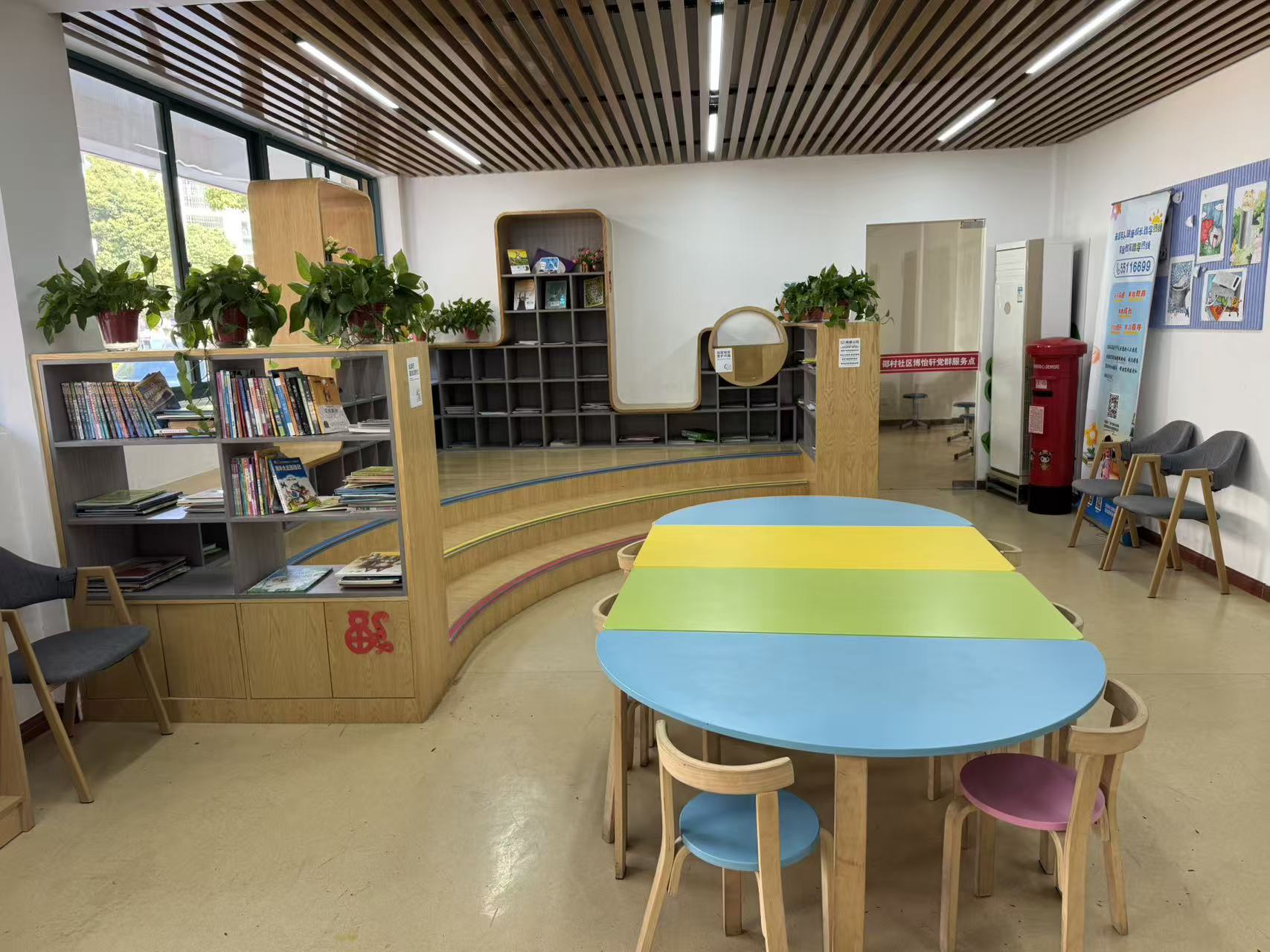
In the process of practicing “waste rebirth” and community space creation, the “Parallel Library” project has formed a mature sustainable public welfare model. To further break the boundaries of the existing model and enhance its innovative vitality and local adaptability, this project intends to cooperate deeply with DKU students. It aims to integrate young perspectives and innovative thinking into the project process to explore the potential of this model in broader social and educational dimensions. Core cooperation will revolve around the following directions: co-creation of sustainable design topics and design of community activity models.

S-Tron China
DKU Start-up Community Building
Project Information
This project establishes a strategic partnership with S-Tron to recruit the student ambassador from DKU. The student ambassador will serve as the bridge and core support between DKU and S-Tron, helping advance joint programs and activities and enabling linkage of on- and off-campus resources. Responsibilities include (but are not limited to):
- Supporting the execution of S-Tron’s programs and activities at DKU.
- Assisting with planning and organizing on-campus meetups for student entrepreneurs, talks (Collide Lab), and other educational extension activities.
- Participating in innovation and entrepreneurship events such as TechTrek, and promoting deeper interaction in university–enterprise collaboration.
Through participation, the student ambassador will gain hands-on experience in project management and cross-organization communication, strengthen leadership and innovation capabilities, and better understand how enterprise–university cooperation works in practice.
Kunshan Gaoxinqu Tinglin Community Health Service Center
Smart Health Care-Support
Project Information
In partnership with Kunshan Gaoxinqu Tinglin Community Health Service Center, students will collaborate with the community to develop and practice smart-healthcare projects, exploring opportunities to optimize primary healthcare services around user needs, data support, and technology enablement. Students will also have opportunities to shadow community general practitioners in offline clinical practice, gaining a deeper understanding of day-to-day operations and service models in primary healthcare.
The project will also incorporate a series of community service activities, including health education outreach, home visits with family doctors, and support for health checkups for older adults. Through multi-dimensional field participation, students will strengthen their ability to understand and respond to community health needs, cultivate real-world problem-solving skills and social responsibility, and further explore how innovative solutions can improve community health and public services.
Weicheng Community (Supported by Leren Public Welfare Development Center)
Community Buliding
Project Information
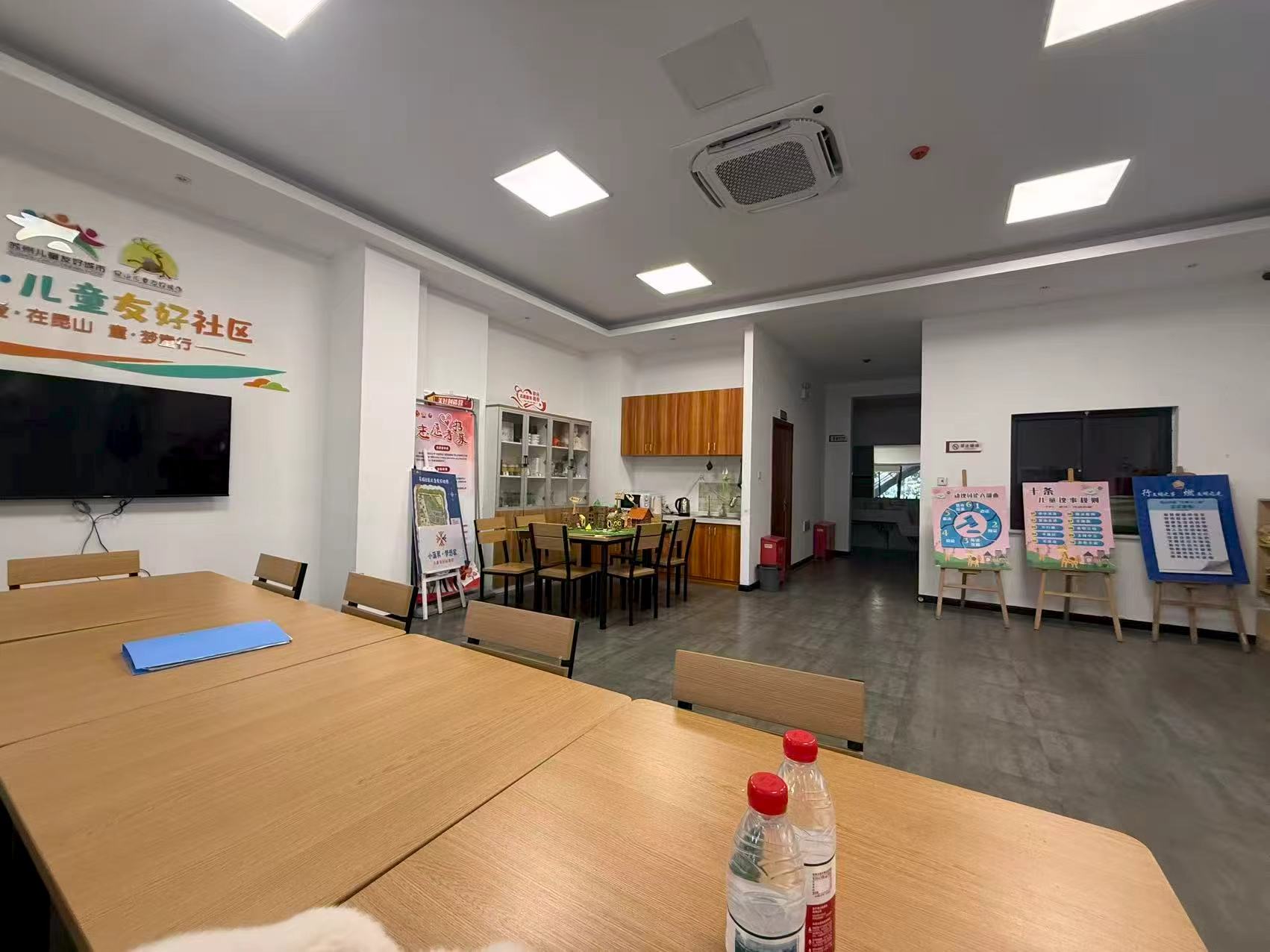
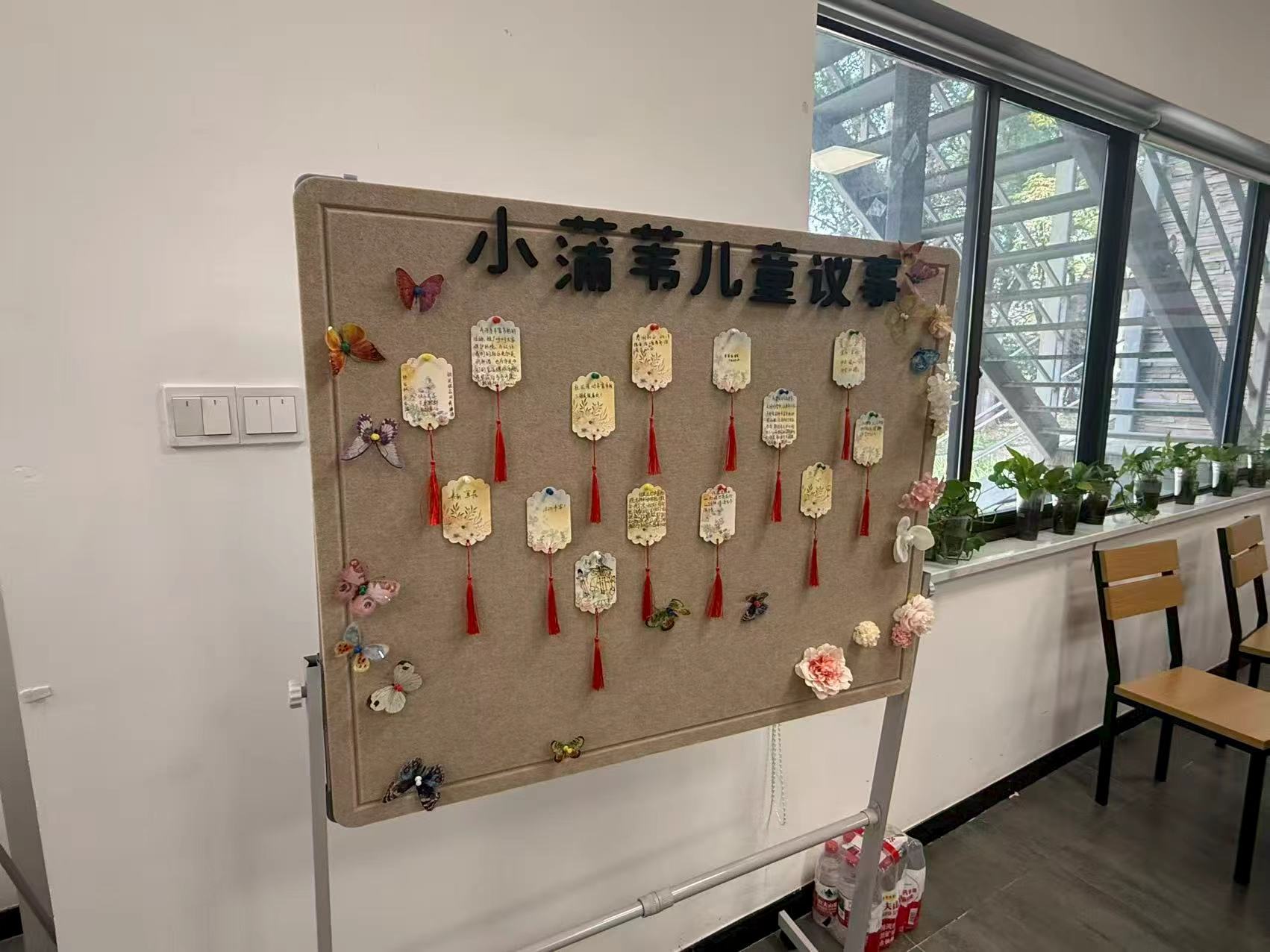
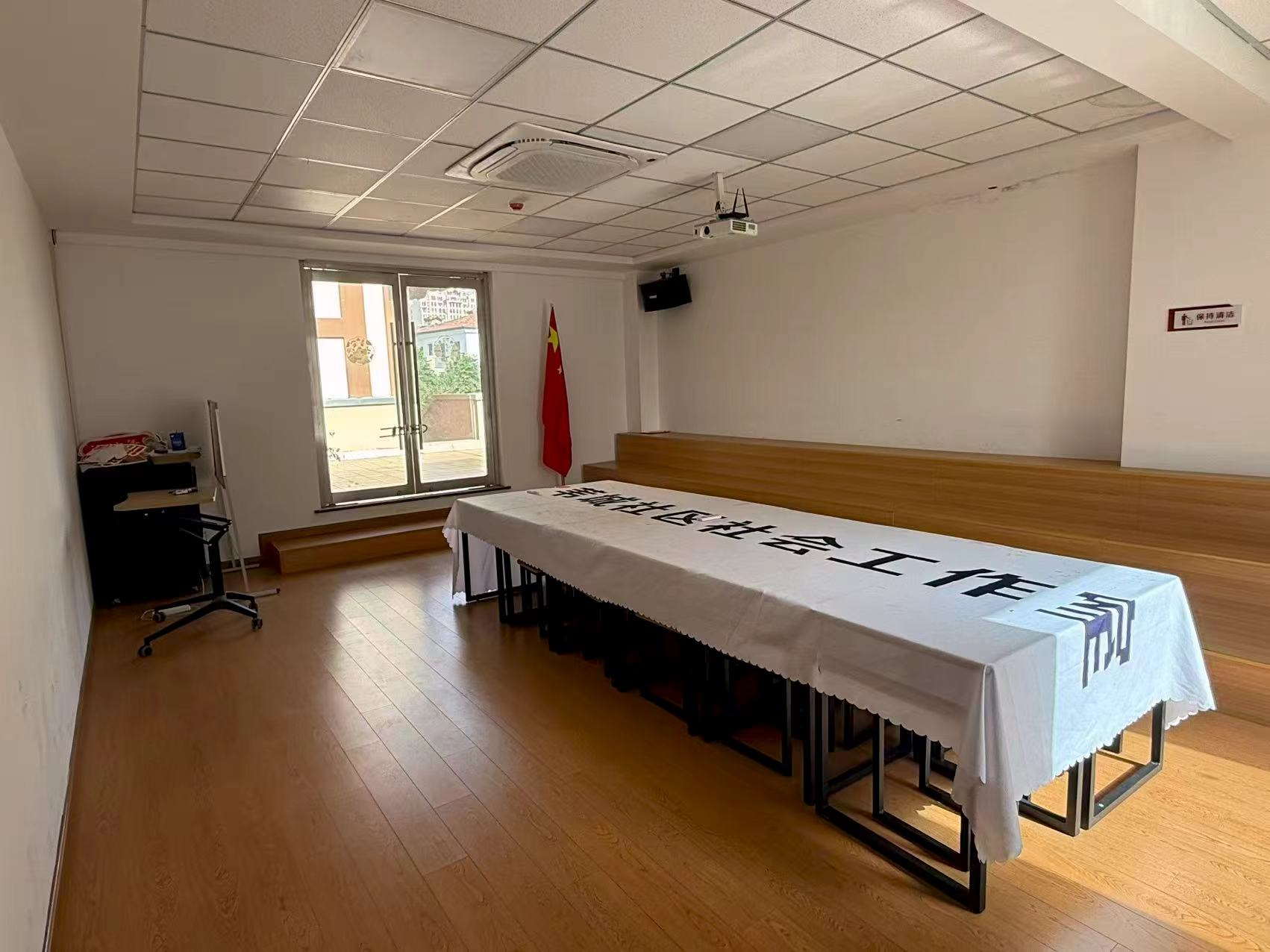
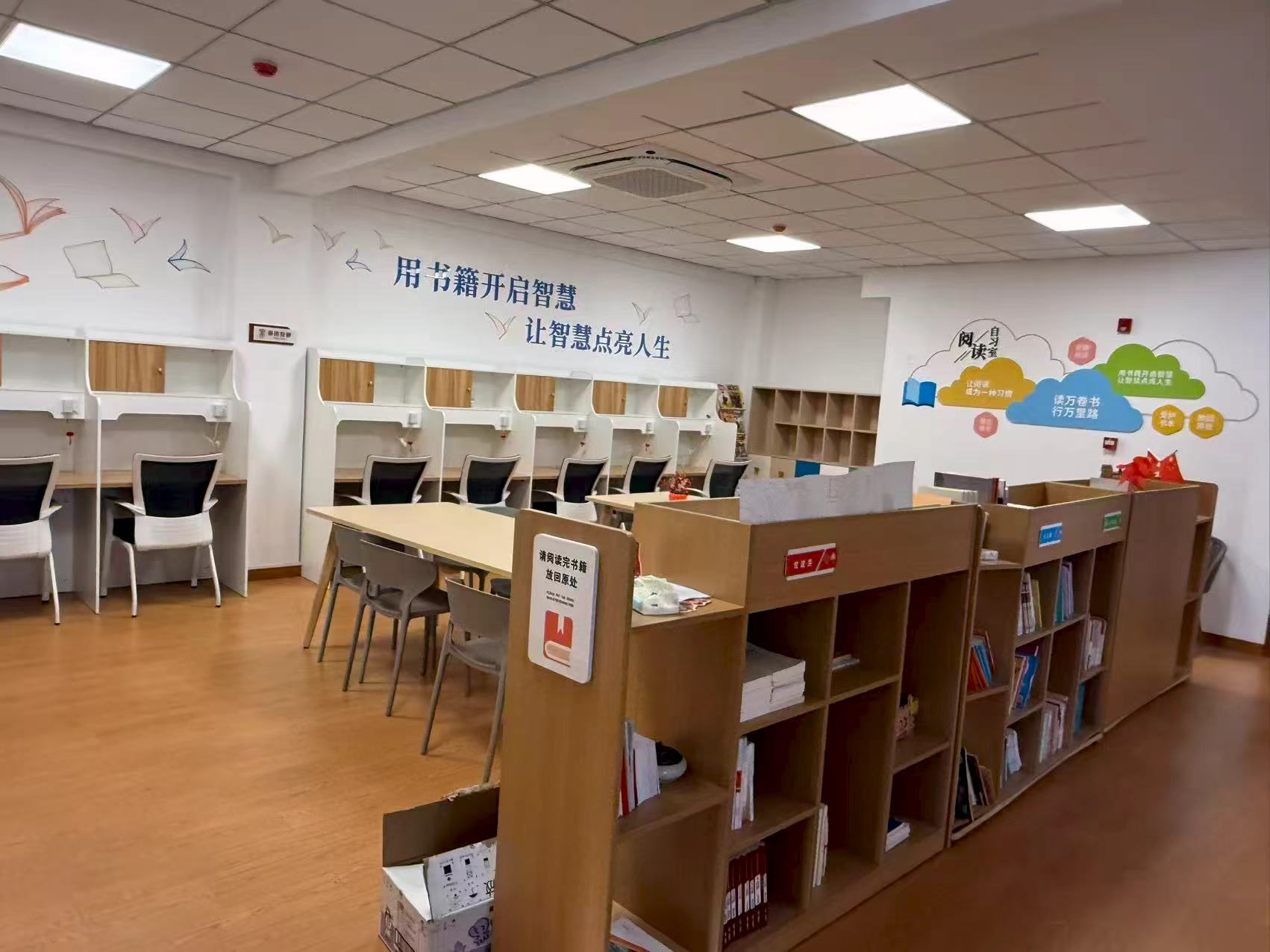
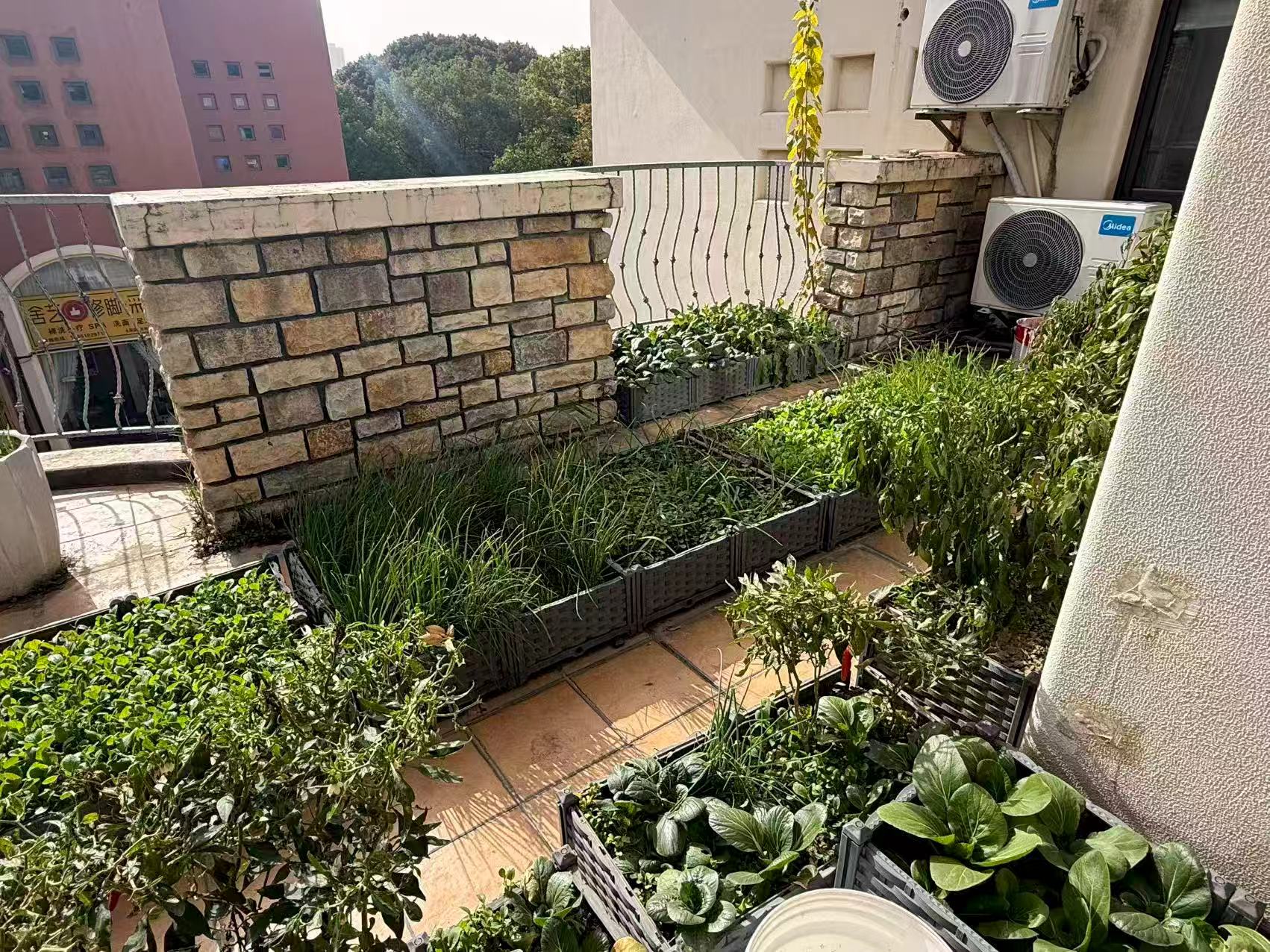
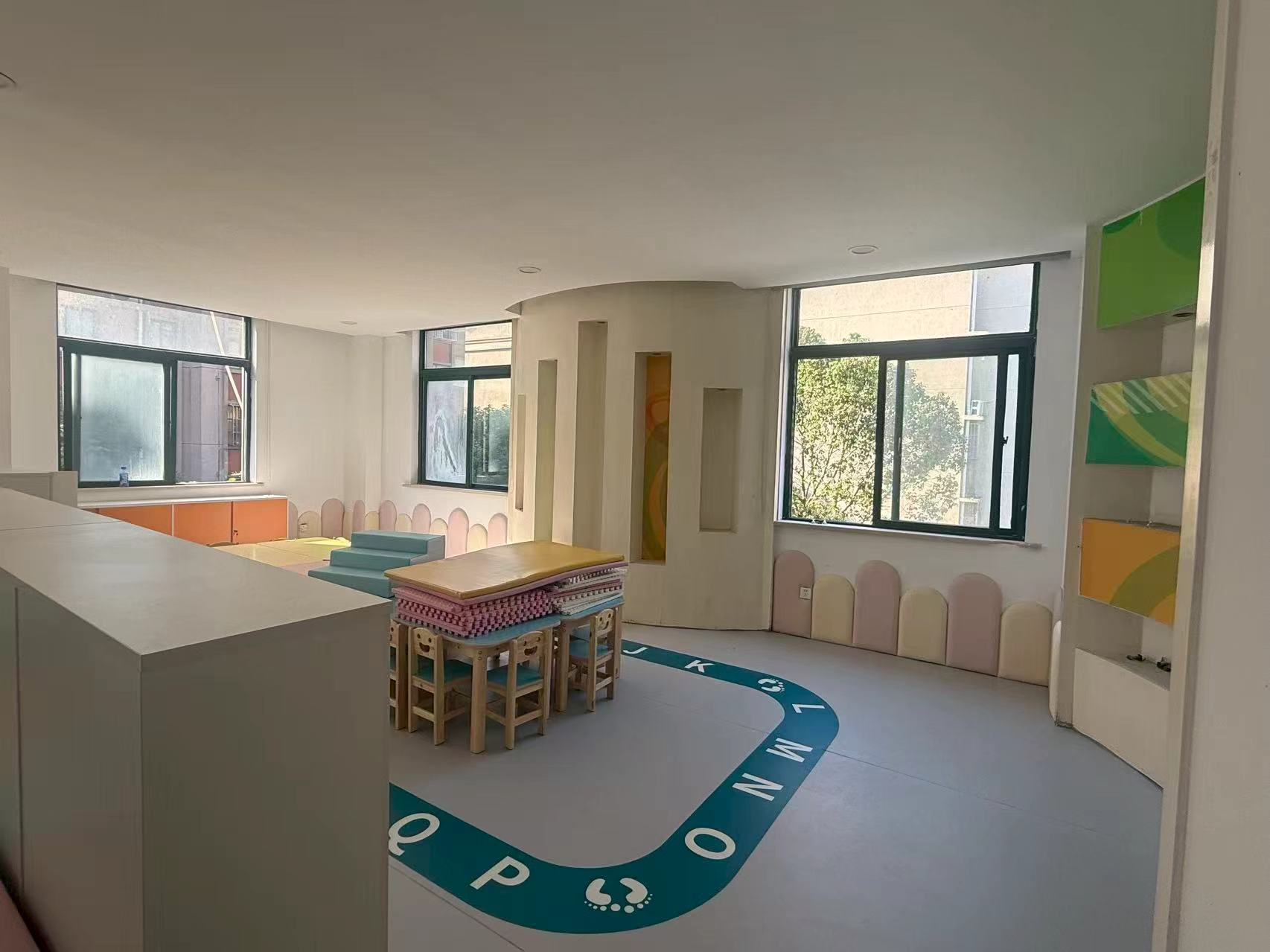
This project establishes a strategic partnership with Weicheng Community (Supported by Leren Public Welfare Development Center), a high-quality aging community rich in “silver-hair wisdom.” Your challenge is to design creative activities or digital platforms that foster intergenerational exchange and activate senior resources. We are committed to exploring long-term operations and incubating sustainable student-community initiatives.
Potential Directions(Including but not limited to)
- Creative Development and Operation of Community Activity Ecosystems
- Innovative Exploration of Community Digital Enablement
Through participation, you will gain:
Valuable experience in practicing design thinking and activating “silver-hair wisdom” within a unique, high-quality aging community.
Kejiaoyuan Community (Supported by Leren Public Welfare Development Center)
Community Buliding
Project Information
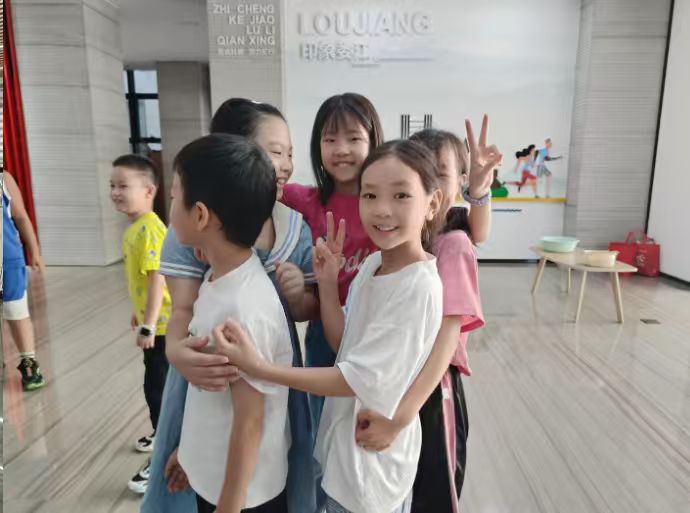
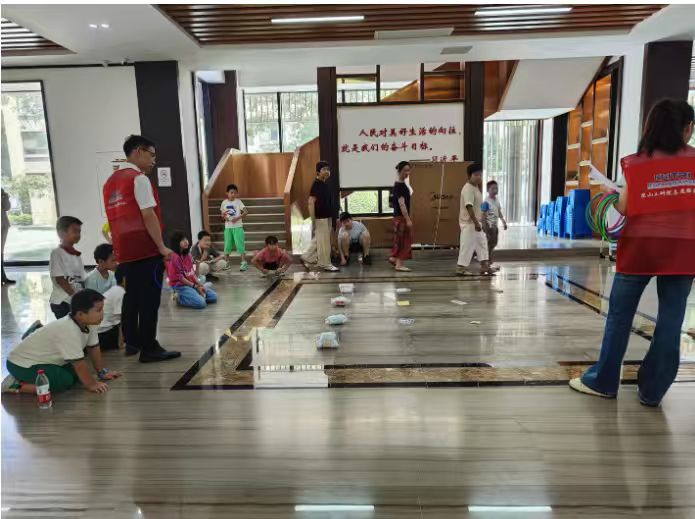
This project establishes a strategic partnership with Kejiaoyuan Community (Supported by Leren Public Welfare Development Center). Located in the core of the Higher Education Area, the community has a strong demand for educational and technology services. Your mission is to design high-quality after-school programs, parent-child activities, or digital tools to transform the community’s “intellectual capital” into motivation for sustained development. We expect to explore long-term operational models with you.
Potential Directions(Including but not limited to)
- Creative Development and Operation of Community Activity Ecosystems
- Innovative Exploration of Community Digital Enablement
Through participation, you will gain:
Experience in service innovation and addressing the needs of diverse families within a knowledge-intensive community.

University Park Community, Bailu Urban Management Office, Kunshan High-tech Zone
Community Buliding
Project Information
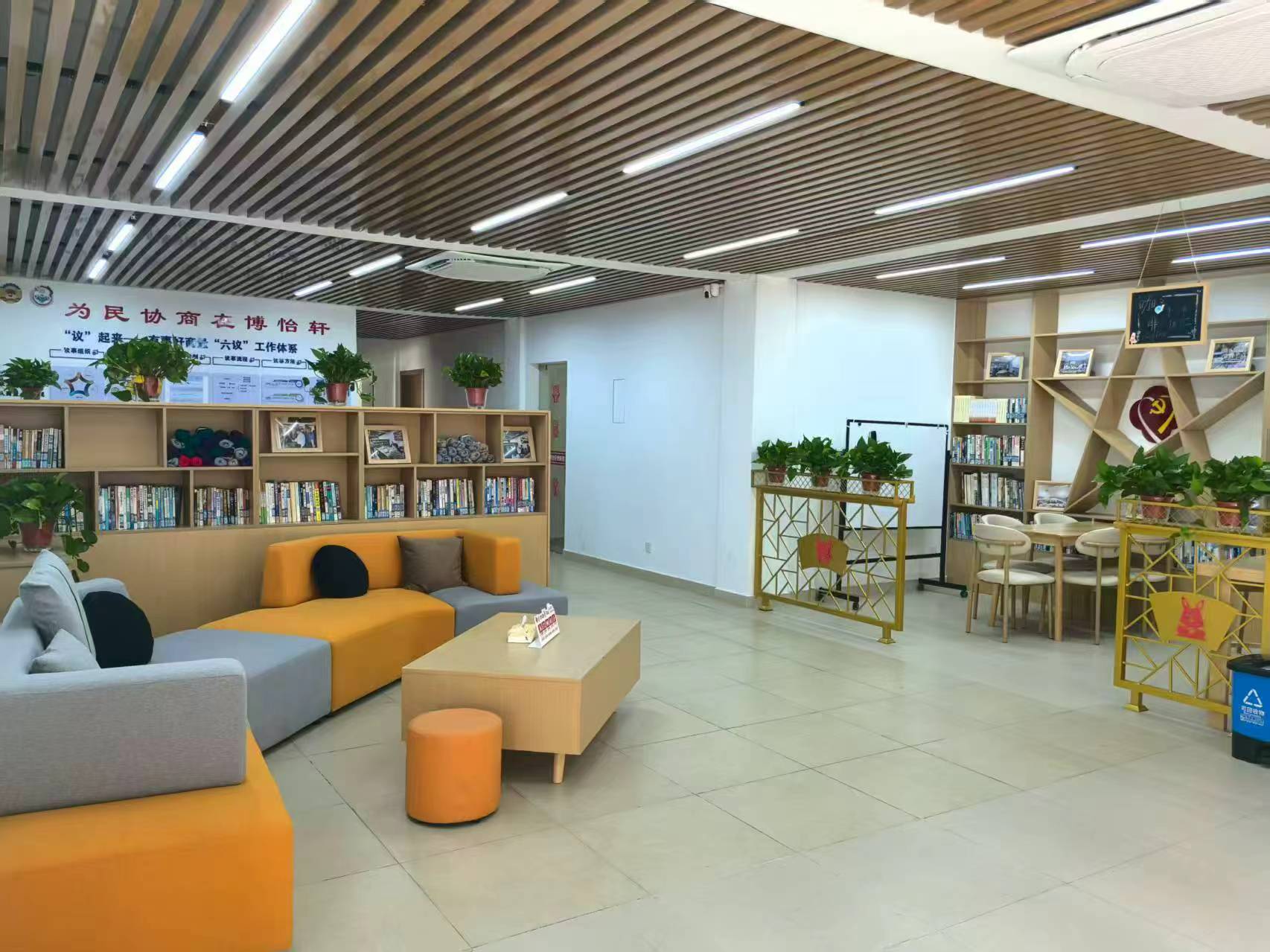
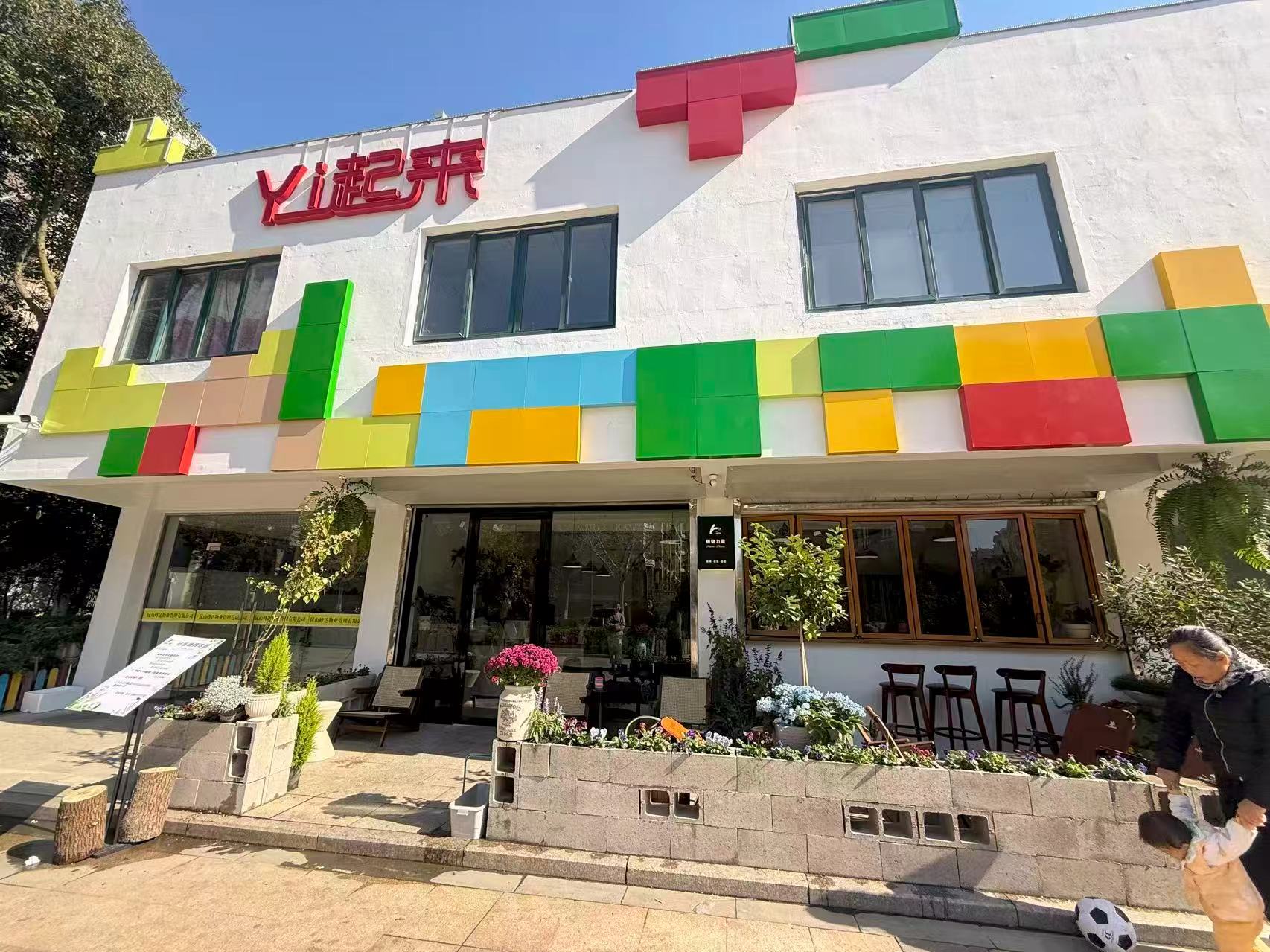
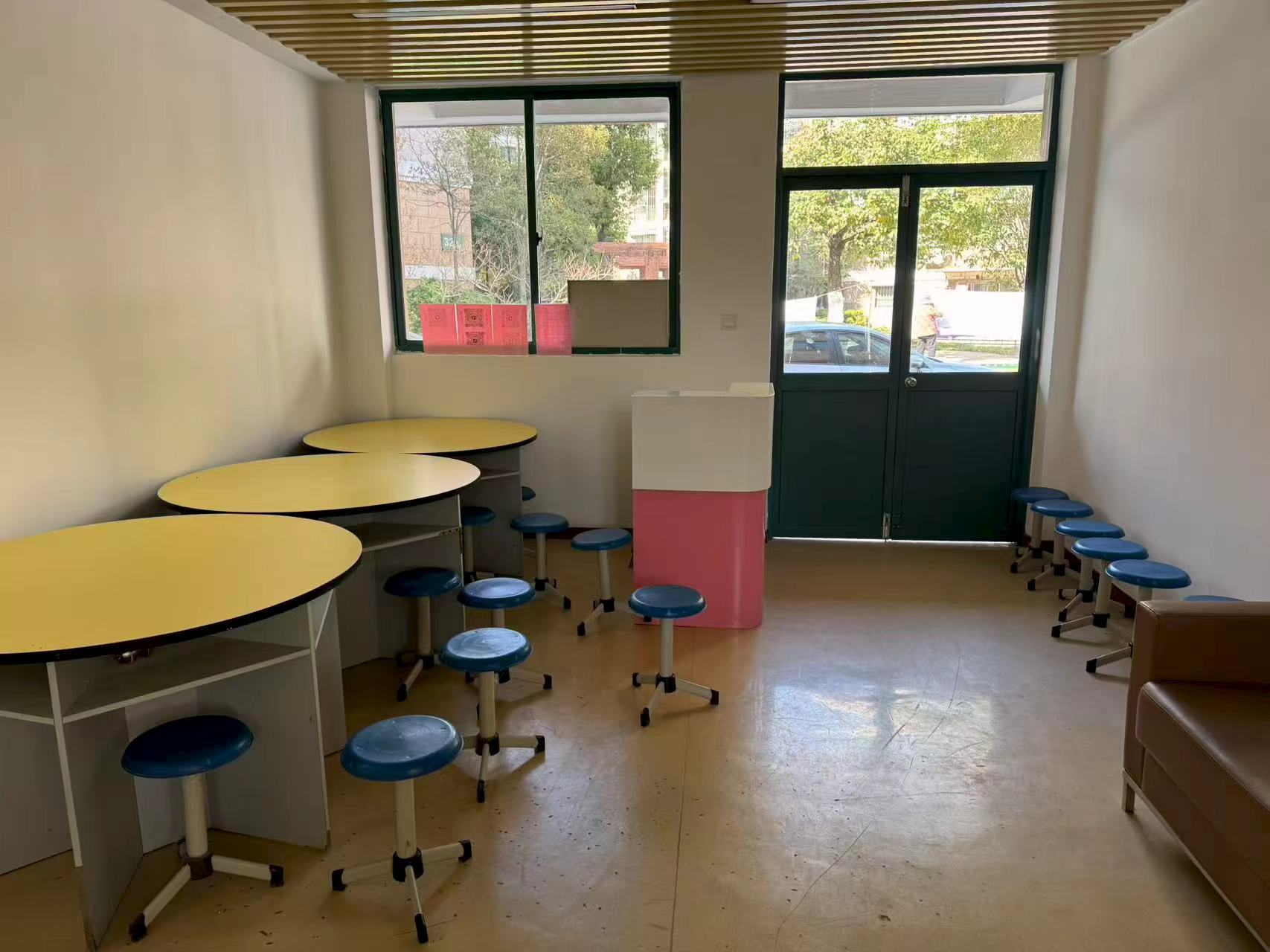
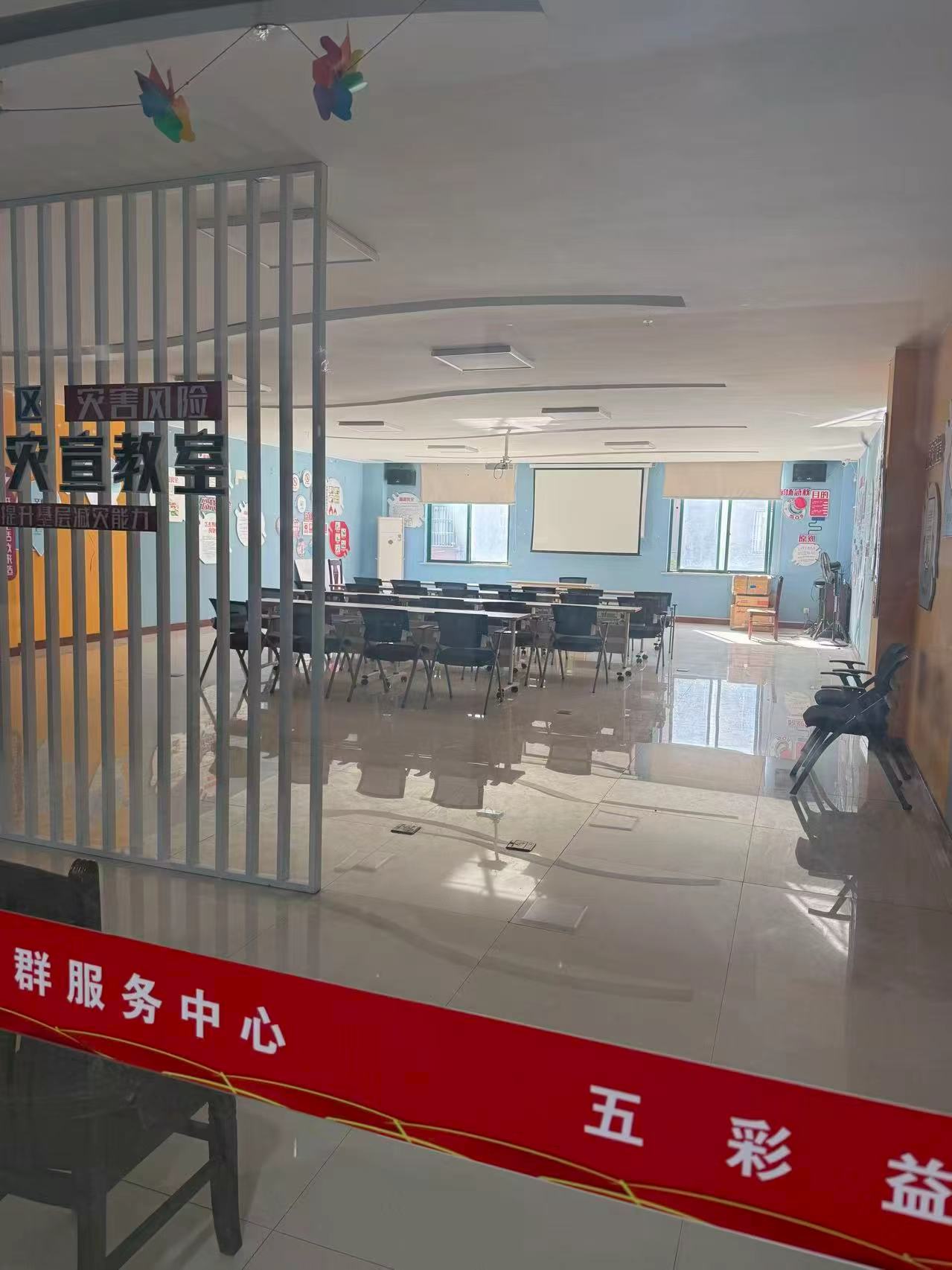
This project establishes a strategic partnership with the University Park Community, Bailu Urban Management Office, Kunshan, to recruit students as “Community Co-Creation Partners.” You will leverage the community’s venues and resources to design and implement creative initiatives that energize the community and foster integration among diverse groups, taking ownership of the entire process. We emphasize exploring long-term operational models to achieve tangible improvements in the community ecology.
Potential Directions(Including but not limited to)
- Creative Development and Operation of Community Activity Ecosystems
- Explorations in Community Governance & Digital Innovation
Through participation, you will gain:
Hands-on experience in leading projects and translating abstract ideas into actionable plans within a real international community.
Shaocun Community, Lujia Town, Kunshan City
Community Buliding
Project Information
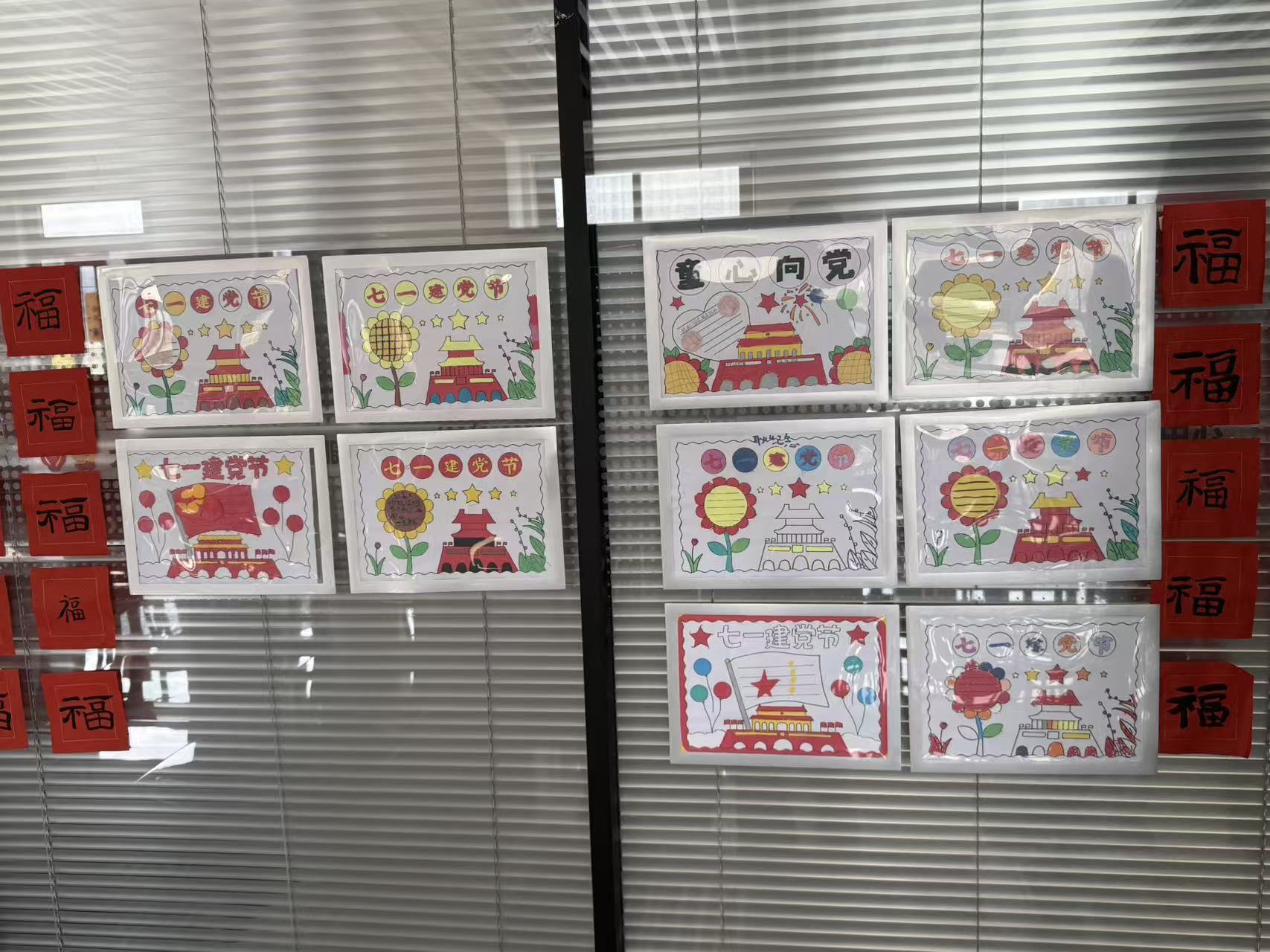
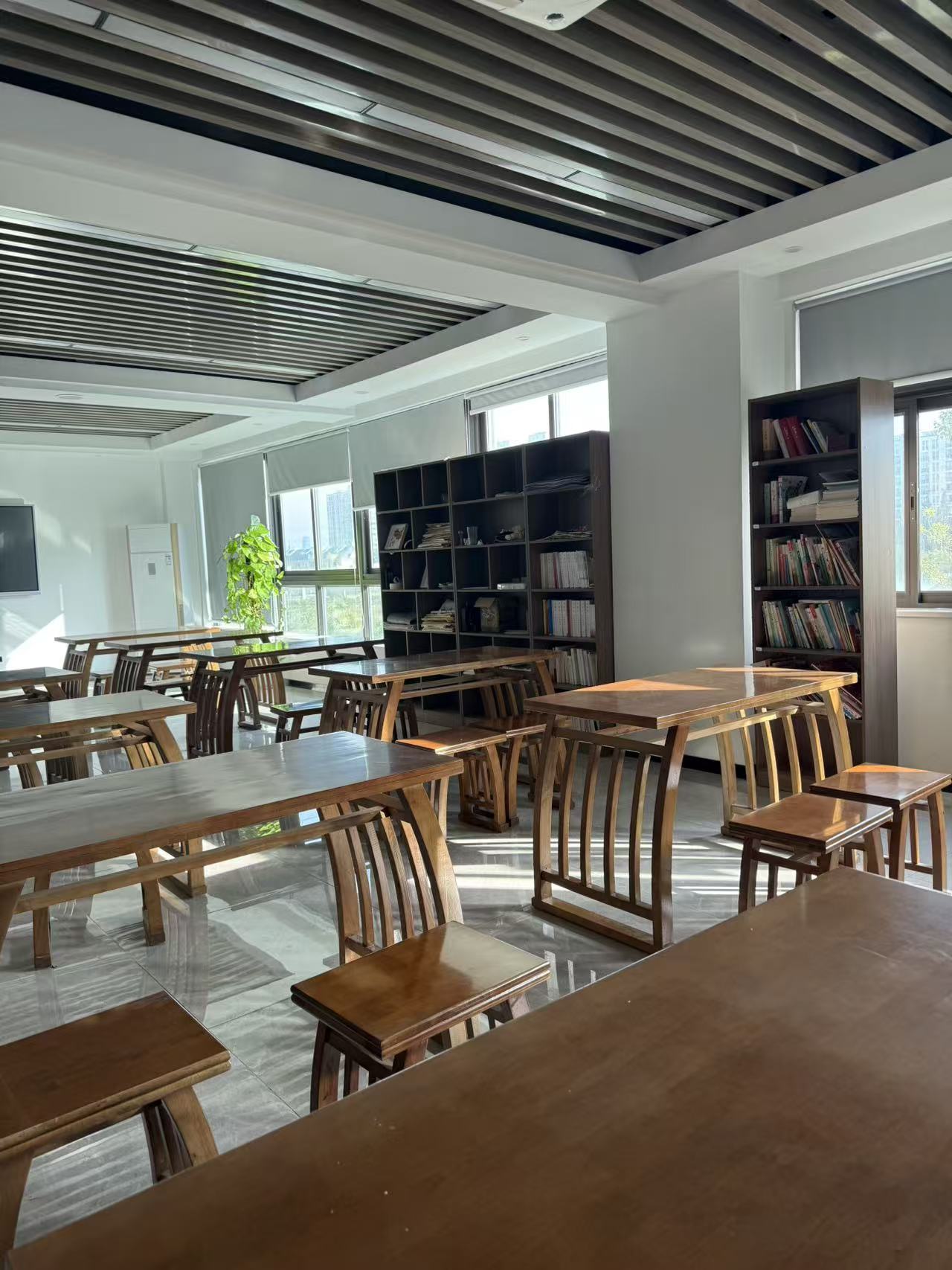
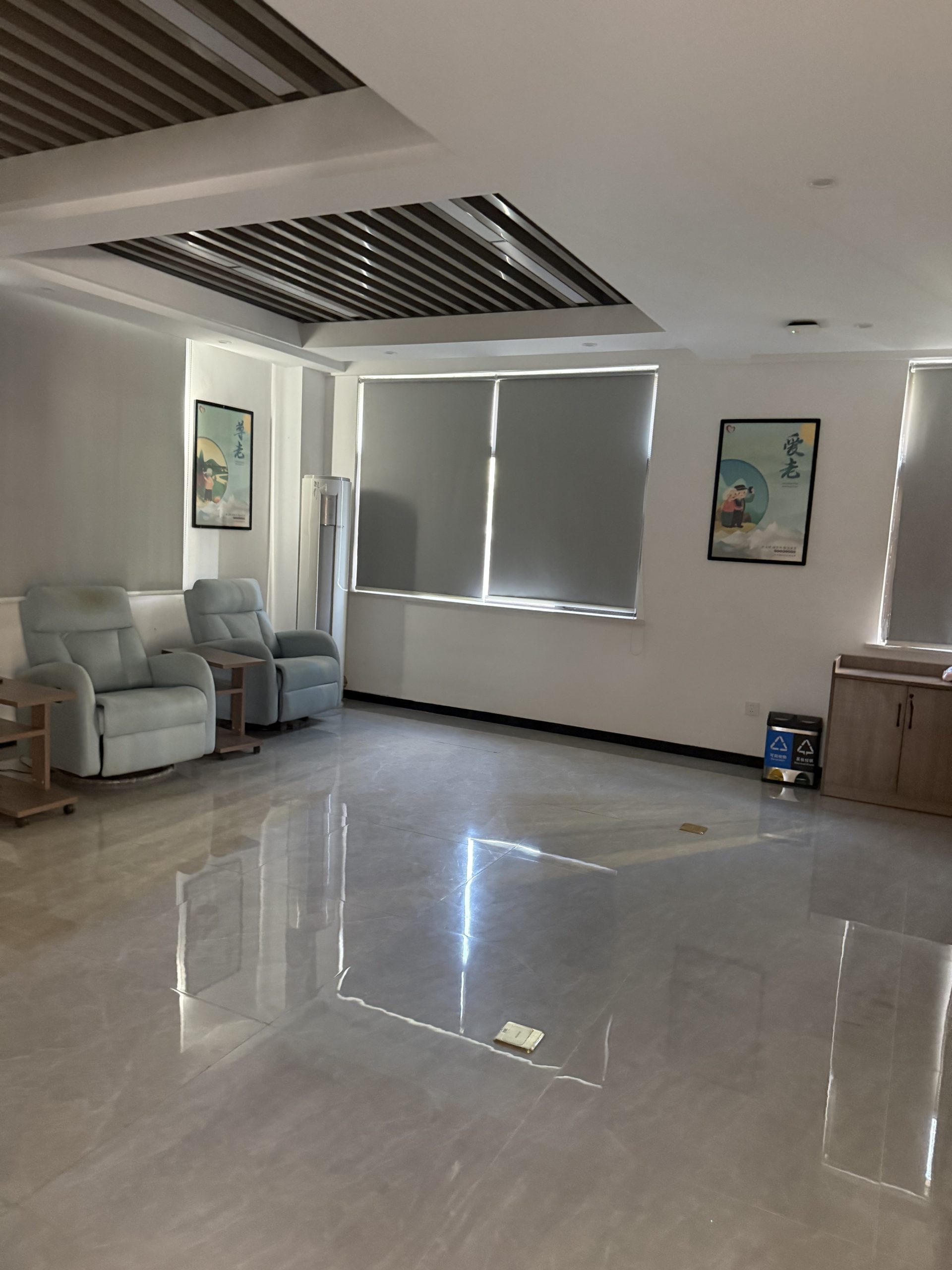
This project establishes a strategic partnership with Shaocun Community, Lujia Town, Kunshan City. The community aims to enhance public space quality and create a distinctive themed block. We recruit students to act as “curators,” developing tailored plans through aesthetic enhancement, art education, or collaborative volunteer models. Our community partner is highly committed to achieving tangible improvements in the community ecology.
Potential Directions(Including but not limited to)
- Community Space Aesthetic Enhancement
- Public Welfare Art Education Curriculum Development
- Collaborative Volunteer-Based Operations Model
Through participation, you will gain:
Experience as a community “curator” in leading public space revitalization and coordinating multi-party resources to integrate aesthetic and social value.
Frequently Asked Questions (FAQ)
Do I need prior experience to apply?
Do I have to apply as a team?
- Most Research, Technology Innovation, and Creative Projects require team-based applications.
- Social Practice and Service and Student-Led Projects support individual applications. Please check the project description carefully before applying.
Can I apply alone and find teammates later?
- Social Practice & Service Projects
- Student-Led Projects
Can I apply to more than one project?
- You may be invited to multiple interviews
- You will only be selected for one project in the final round
What is the expected time commitment?
- Regular team meetings
- Ongoing communication with partners or communities
- Active participation throughout the semester
What kind of deliverables are expected?
- Research reports or policy briefs
- Prototypes, tools, or systems
- Creative works (media, exhibitions, campaigns, etc.)
- Community programs or service initiatives
What happens after I submit my application?
- Applications will be reviewed by the Co-Innovate team and partners
- Shortlisted applicants will be invited to interviews
- Selected students will receive official notification
- Teams will prepare detailed project proposals and meet with partners
How are students selected?
- Fit between the applicant and the project
- Motivation and commitment
- Relevant skills or learning potential
- Team composition (for team-based projects)